Foodie Co: A Complete Guide to Smart Food Manufacturing, Powder Blending and Distribution
Discover how this Australian food manufacturing company supports startups and growing brands through custom blending, packaging, logistics, and retail distribution.

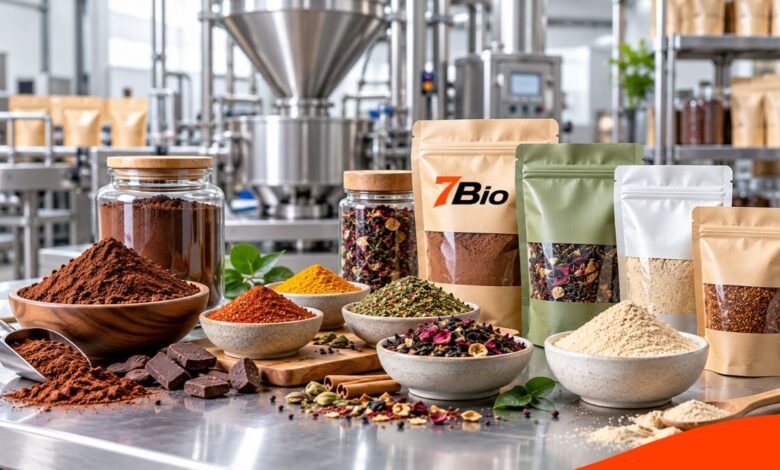
Foodie Co is an Australian food manufacturing and distribution business that helps startups and established brands develop, produce, package, and distribute powdered food products. Based in Dingley Village, Victoria, the company provides flexible manufacturing solutions for businesses that need professional production support without running their own factories.
Its services include customized powder blending, product formulation, packaging, third-party logistics (3PL), and retail distribution. These capabilities may appeal to entrepreneurs developing new food and beverage products and businesses seeking additional manufacturing capacity.
For a smaller company, managing production, storage and distribution independently can require significant investment and coordination. Working with a specialist manufacturer offers an alternative, but you need to consider costs, product compatibility, and contractual responsibilities carefully.
This article explains Foodie Co’s manufacturing services, powder blending capabilities, packaging options, logistics solutions, and important considerations for businesses evaluating its services.
What Is Foodie Co?
Foodie Co is a business-to-business food manufacturing and distribution company operating in Victoria, Australia. It primarily helps other businesses bring food and beverage products to market.
Rather than operating mainly as a restaurant or food delivery service, it provides behind-the-scenes manufacturing and supply-chain support for commercial food brands.
According to its published service information, the company specializes in powdered products and offers manufacturing arrangements for businesses requiring both smaller and larger production volumes.
This approach addresses a common challenge for emerging food companies: many large manufacturers have minimum order requirements that new businesses can struggle to meet.
The company also promotes services beyond manufacturing, allowing clients to explore packaging, storage, fulfillment and distribution through the same provider.
Other businesses use similar names, so this guide focuses on the Australian manufacturer operating as Foodie Co in Dingley Village.
Foodie Co Manufacturing Services Explained
The company’s central offering is custom dry powder blending. This manufacturing process combines measured quantities of dry ingredients to produce a consistent mixture according to an agreed formulation.
Commercial blending is different from preparing a small recipe at home. A business must consider ingredient specifications, measurement accuracy, mixing consistency, production documentation, and suitable packaging.
Foodie Co advertises tailored manufacturing services for startups and small businesses, including support for developing new products and producing existing formulations.
Its website also describes arrangements where clients can select specific stages of the manufacturing process rather than purchasing an entire package of services.
For example, a business with an established recipe may require blending and packing, while another may need assistance developing a suitable formulation before production begins.
Confirm the exact scope of each project directly with the manufacturer.
What Products Can Foodie Co Produce?
The company can produce several powdered food and beverage categories.
Hot chocolate mixes: Powdered chocolate drinks require appropriate ingredient proportions, flavor consistency, and packaging that protects the product during storage.
Latte blends: Powdered café-style beverages may combine multiple dry ingredients. Manufacturing requirements depend on the formulation, intended preparation method and packaging format.
Tea blends: Dry tea products may combine tea ingredients and other permitted components into a consistent mixture.
Baking mixes: Commercial baking powders and mixes require careful ingredient measurement to help consumers achieve predictable preparation results.
Spice blends: Seasoning products often contain several ingredients that must be mixed and packaged consistently.
Nutrition and supplement powders: Foodie Co also lists these among its potential manufacturing categories. However, specialized products may require additional checks on ingredients, claims, and applicable regulatory requirements.
These examples describe the company’s advertised product categories, not confirmation that every proposed formulation will be accepted.
Businesses should discuss ingredient characteristics, production requirements and suitability before commissioning manufacturing work.
How the Manufacturing Process Works
Foodie Co describes its manufacturing approach around product creation, production, logistics, and distribution. The specific sequence and services depend on the customer’s requirements.
A typical contract manufacturing project can involve the following stages:
- Product discussion: The customer explains the product concept, target market, ingredient requirements, packaging preferences, and estimated production volumes.
- Formulation review: The business and manufacturer establish whether an existing recipe is suitable for commercial production or requires further development.
- Production planning: Both parties agree on manufacturing specifications, quantities, packaging arrangements, quality responsibilities and delivery expectations.
- Blending and packing: The manufacturer processes approved ingredients according to the agreed production requirements and packs them in the selected packaging.
- Storage and distribution: Depending on the agreement, the client may take completed products or use additional logistics and distribution services.
This is an illustrative manufacturing workflow, not a verified fixed procedure for every Foodie Co customer.
Written specifications and clear approval stages can help prevent misunderstandings during production.
Packaging Options for Different Food Products
Packaging influences product presentation, storage, handling, and suitability for distribution.
Foodie Co lists composite tins, heat-sealed pouches and bags among its packaging options.
Each format has different practical considerations.
Composite tins may suit certain powdered products where a rigid container is preferred. Flexible pouches can be useful where packaging weight, shelf presentation or available storage space influences the decision.
Bags may suit particular retail or bulk-supply requirements, depending on the materials and closure systems used.
The correct packaging choice depends on the product’s properties and storage requirements. Moisture sensitivity, food-contact suitability, sealing performance and intended shelf life should all be evaluated.
Businesses should also establish who is responsible for printed labels, artwork approval, packaging procurement, and minimum packaging quantities.
Attractive packaging is valuable, but it must also suit the food inside.
Understanding Its Organic Manufacturing Claims
Foodie Co describes itself as a certified organic manufacturer on its official website.
That statement may interest brands developing organic food products, but businesses should distinguish the manufacturer’s certification from an individual finished product’s certification status.
A manufacturer’s organic credentials do not automatically mean every ingredient, formulation, or product manufactured at its facility qualifies for a particular organic certification claim.
Australian consumer law requires businesses making organic claims to substantiate them. Domestic organic certification is not universally mandatory merely to describe a product as organic, although claiming certification requires genuine supporting evidence.
Before commissioning an organic product, clients should request current certification documentation, identify the certification body, and confirm whether the proposed ingredients and production process fall within the relevant scope.
Brands planning to export should also review their destination markets’ requirements.
Clear documentation helps protect both commercial interests and consumer trust.
Third-Party Logistics and Order Fulfillment
Manufacturing is only one part of operating a packaged food business.
After production, brands must manage finished inventory, customer orders, stock movement and deliveries.
Foodie Co promotes third-party logistics services, commonly called 3PL, alongside its manufacturing activities.
In this arrangement, businesses can outsource agreed logistics functions to another provider instead of handling everything internally.
The company describes its services as supporting storage requirements, business-to-consumer and business-to-business orders, and freight arrangements.
For a small business, this model may reduce the operational burden of managing warehouse space and organizing shipments.
However, the precise responsibilities must be set out in the service agreement.
Businesses should clarify inventory reporting, order processing, freight charges, returns, damaged goods, storage conditions and responsibility for dispatch errors.
A logistics partnership is useful only when its services match the company’s sales channels and customer expectations.
Retail Distribution and Wholesale Opportunities
Manufacturing a product does not guarantee retailers will stock it.
Foodie Co also advertises distribution support for food brands. Its published distribution information describes supplying health food retailers, independent supermarkets, studios and cafés.
This represents a different function from manufacturing.
A manufacturer produces goods according to specifications. A distributor helps move products through commercial sales channels.
Distribution can involve relationships with retailers, inventory availability, wholesale ordering, and coordination of delivery.
Brands considering these services should ask which sales channels matter for their products and what commercial conditions apply.
Important considerations include wholesale margins, promotional commitments, retailer requirements, product pricing and stock replenishment.
Access to a distribution service should not be interpreted as a promise of supermarket placement, particular sales volumes or commercial success.
Why Smaller Food Brands May Consider Contract Manufacturing
A founder developing a new powdered food product must decide on equipment, ingredients, packaging, production capacity, and inventory.
Building an independent manufacturing facility may be impractical early in a business’s life.
Contract manufacturing offers an alternative by allowing a company to outsource selected production activities.
Potential advantages include access to existing manufacturing infrastructure, professional production services, and flexibility to arrange additional support as requirements change.
Foodie Co’s advertised focus on startups and smaller brands is particularly relevant to businesses exploring production without immediately investing in their own facilities.
Still, outsourcing does not eliminate business risk.
A product must have realistic customer demand, workable pricing, reliable quality and an appropriate route to market.
Manufacturing capacity alone cannot establish whether a food business will be commercially successful.
Food Safety, Labeling and Quality Responsibilities
Food brands need to consider more than taste and appearance before releasing a product for sale.
In Australia and New Zealand, the Food Standards Code sets out requirements for food composition, labeling, and other relevant matters.
Depending on the product, packaged food labels may need an ingredient list, applicable allergen declarations, nutrition information, date markings and storage instructions.
Allergen identification is particularly important for products containing ingredients such as milk, peanuts, soy, sesame or certain cereals.
Commercial clients should establish who prepares and verifies labels, maintains batch records, handles complaints and approves product specifications.
These responsibilities should not be assumed to belong entirely to the manufacturer.
A business selling products in multiple countries may face additional market-specific requirements.
Clear quality agreements and appropriate professional checks are important parts of preparing a product for commercial sale.
How to Evaluate Foodie Co Before Choosing Its Services
The best way to assess any contract manufacturer is to compare its advertised capabilities with the proposed product’s actual requirements.
Start with a written product brief. Include the product category, ingredient requirements, proposed pack size, anticipated order quantities, intended sales markets and desired production schedule.
Ask for a detailed quotation explaining what is included in the manufacturing fee.
A useful quotation separates formulation development, ingredients, production, packaging, storage, fulfillment, and freight where applicable.
Minimum order quantities deserve particular attention. Although Foodie Co supports smaller production volumes, its public website does not set a universal minimum quantity or fixed price for every product.
Lead times, payment arrangements and capacity should also be confirmed.
For custom formulations, clarify who owns the recipe, artwork and product specifications. Commercial confidentiality may need to be addressed before sensitive information is shared.
Finally, request evidence of relevant certifications and agree on quality-control and complaint-handling responsibilities.
These checks provide a stronger basis for decision-making than promotional descriptions alone.
FAQs
1. What is Foodie Co?
Foodie Co is an Australian food manufacturing and distribution business that offers powder blending, packaging, third-party logistics, and distribution services, particularly for startups and smaller brands.
2. Where is Foodie Co located?
The company lists its location as 1/25–41 Redwood Drive, Dingley Village, Victoria 3172, Australia. Visitors should confirm current arrangements before traveling to the facility.
3. Does Foodie Co manufacture organic products?
The company describes itself as a certified organic manufacturer. Businesses should verify its current certificate and confirm whether their specific ingredients and manufacturing processes meet the required certification conditions.
4. Can a startup work with Foodie Co?
Yes. Supporting startups and small businesses is part of the company’s advertised business model. Acceptance of a particular project depends on its requirements and the available manufacturing arrangements.
5. Does Foodie Co provide packaging and delivery services?
The company advertises packaging, third-party logistics, and distribution services. Customers should confirm which activities are included in their individual agreement, along with the associated charges and delivery conditions.
Final Takeaway
Foodie Co operates in a key part of the food and beverage industry: helping businesses turn product ideas into commercially manufactured and distributed goods.
Its advertised services include custom powder blending, packaging, organic manufacturing, third-party logistics, and retail distribution. This combination may help emerging brands across several stages of their supply chain.
The strongest reason to consider such a provider is not simply convenience. It is the ability to match manufacturing and logistics capabilities to a product’s actual needs.
Before committing, businesses should verify relevant capabilities, certification scope, production costs, quality requirements, and contractual terms.
A carefully evaluated manufacturing partnership can provide operational support while allowing a food brand to focus on product development, customer understanding, and building sustainable demand.