
Swimming Holes Near Me: A Practical Guide to Finding Natural Places to Swim
Discover how to find nearby lakes, freshwater pools and outdoor swimming locations while checking water quality, public access and essential safety conditions.

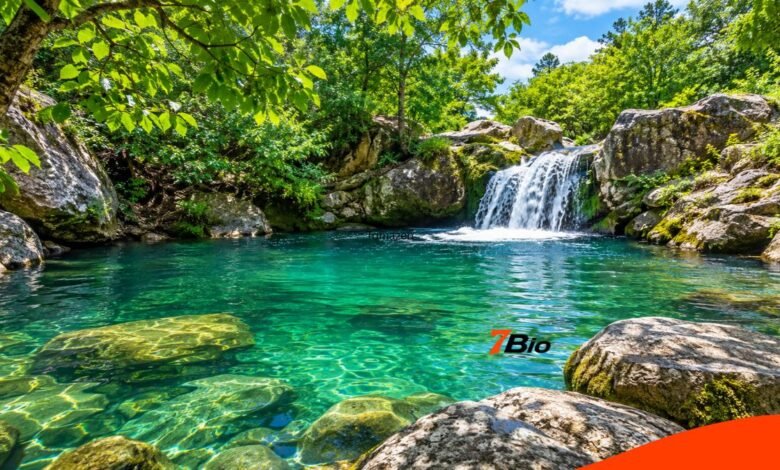
Searching for swimming holes near me is a great way to discover natural freshwater pools, peaceful lakes, and outdoor swimming destinations close to home. Whether you are planning a weekend escape, a countryside adventure, or a refreshing summer swim, natural swimming locations offer an alternative to conventional swimming pools.
However, finding an attractive location is only part of the process. Water quality, public access, swimming restrictions, weather conditions, and underwater hazards all deserve careful consideration.
The most reliable approach is to combine online maps with official bathing water information and local park guidance. This helps you find suitable destinations instead of relying entirely on social media photos or outdated recommendations. From discovering nearby swimming spots to preparing for your visit, understanding these essentials can help you make better-informed decisions.
What Are Swimming Holes?
Swimming holes are natural bodies of water that people use for recreational swimming or bathing. They can occur within rivers, lakes, freshwater springs, and naturally formed rock pools.
Unlike traditional swimming pools, these environments are shaped by rainfall, seasonal temperature changes, wildlife, and the surrounding landscape. Some are managed recreational destinations, while others have no supervision or facilities.
In the United Kingdom, swimming in natural environments is commonly known as wild swimming or open water swimming.
Not every natural pool is suitable for swimming. Some locations have restricted access, dangerous currents, or environmental protection requirements.
How to Find Swimming Holes Near Me
Finding nearby swimming locations is easier when you use several reliable sources rather than relying on a single search result.
Use Online Maps
Google Maps and other mapping services can help you discover freshwater swimming destinations around your town or city.
Useful search variations include:
- Natural swimming holes near me
- Wild swimming spots near me
- Freshwater swimming lakes
- Supervised outdoor swimming
- Public swimming beaches
- Natural pools near my location
Adding your town, postcode, or county can produce more relevant results.
However, a map pin does not confirm that swimming is permitted or that conditions are suitable.
Check Official Swimming Directories
Official swimming directories and environmental monitoring services can provide more dependable information than general travel listings.
In England, the Environment Agency’s Swimfo service provides information about designated bathing waters. Swim England also offers an outdoor swimming venue finder.
Readers in the United States can consult state park authorities, the National Park Service and local public health departments for swimming locations, restrictions and water quality information.
Read Recent Visitor Reviews
Recent reviews may provide useful information about parking, walking distances, facilities and accessibility.
Nevertheless, visitor reviews should never replace official safety warnings. Treat photographs as a preview of the landscape, not a report on today’s conditions.
Different Types of Natural Swimming Holes
Natural swimming destinations vary considerably depending on geography and local environmental conditions.
| Swimming Location | Main Attraction | Important Consideration |
|---|---|---|
| Swimming lakes | Open landscapes and recreational facilities | Cold water and sudden depth changes |
| River pools | Countryside surroundings | Unpredictable currents |
| Freshwater springs | Natural scenery and spring-fed water | Access and water temperature |
| Natural rock pools | Unique geological features | Slippery surfaces and hidden obstacles |
| Waterfall pools | Dramatic scenery | Powerful currents and falling water |
| Managed natural swimming areas | Established facilities and designated zones | Admission fees and operating rules |
For beginners, supervised natural swimming venues are generally preferable to unfamiliar, unmanaged locations.
Waterfall pools, abandoned quarries and fast-flowing rivers can present particularly serious hazards and should be avoided for swimming.
Finding Natural Swimming Spots in the UK
The United Kingdom offers a variety of outdoor swimming environments, including countryside lakes, designated river bathing areas and managed freshwater swimming venues.
Different environmental authorities provide bathing water information across the UK.
In England, readers can consult the Environment Agency. Scotland has the Scottish Environment Protection Agency, while Natural Resources Wales provides information for Welsh bathing waters. Northern Ireland’s bathing water information is available through DAERA.
These organizations publish monitoring information for designated locations. However, many informal wild swimming spots are not routinely tested for bathing water quality.
When researching swimming holes near me, prioritize locations with established public access, available monitoring information, and suitable supervision.
How to Choose a Suitable Swimming Hole
The nearest swimming hole isn’t necessarily the most suitable. A slightly longer journey to a managed location may offer better facilities and supervision.
Water Quality
Clear-looking water is not necessarily clean water. Harmful bacteria and other contaminants may be present without obvious visual warning signs.
Heavy rainfall can carry pollution into rivers, streams and lakes. Avoid entering water when pollution warnings are active or when suspicious algae, unusual discoloration, or contamination are visible.
Check official water quality information before traveling.
Public Access and Swimming Permission
Some natural swimming locations are situated on private land or within protected environments.
Public access to surrounding land does not automatically mean swimming is permitted. Always follow local signs, respect restrictions, and use authorized access points.
Entry and Exit Conditions
Choose a managed swimming area with clearly identified access points. Steep banks, unstable rocks, and sudden underwater drops can make swimming difficult, especially for inexperienced swimmers.
A beautiful location is not worth entering if getting out could be difficult.
Essential Safety Tips for Outdoor Swimming
Natural water environments require greater caution than controlled indoor swimming pools.
Cold water shock can affect breathing and movement, even among confident swimmers. Hidden obstacles, changing currents, and unexpected depth changes add extra risk.
Before swimming:
- Choose a supervised location whenever possible.
- Never swim alone.
- Check weather conditions and water quality warnings.
- Enter permitted swimming areas gradually rather than jumping or diving.
- Avoid fast-flowing rivers, weirs and abandoned quarries.
- Keep children under constant, close adult supervision.
- Avoid swimming after drinking alcohol.
- Leave the water if you become cold, tired or uncomfortable.
If unexpected cold water immersion causes breathing difficulties, follow the RNLI’s advice to float on your back and regain control of your breathing before moving towards safety or calling for help.
In a UK water emergency, call 999 or 112.
When Is the Best Time to Visit Natural Swimming Holes?
Late spring and summer often provide more comfortable outdoor conditions, although suitable swimming weather depends on the location and current circumstances.
Warm air temperatures do not guarantee warm water. Deep lakes and rivers can remain dangerously cold even during summer.
Avoid swimming during thunderstorms, flooding, strong currents, or pollution incidents. Heavy rainfall may also affect water quality and river levels beyond the immediate swimming location.
Checking current conditions is more useful than choosing a destination based solely on the season.
What Should You Bring to a Swimming Hole?
Preparing appropriately can make an outdoor swimming visit more comfortable.
Useful essentials include a towel, warm clothing, drinking water, appropriate footwear, sun protection, suitable swimwear and a waterproof phone pouch.
A brightly coloured swimming cap can improve visibility. Experienced open water swimmers may also use a tow float, although it is not a substitute for a life jacket or rescue equipment.
For children and inexperienced swimmers, properly fitted flotation equipment and suitable supervision are particularly important. Anyone unable to swim confidently should avoid unmanaged open water.
Are Free Swimming Holes Worth Visiting?
Some natural swimming destinations offer free public access, while managed swimming areas may charge admission or parking fees.
Free access can make countryside outings more affordable. However, unmanaged locations may lack lifeguards, toilets, changing facilities, and regular bathing water monitoring.
A managed venue may provide better facilities, particularly for families and beginners. Always confirm current fees, booking requirements and operating hours before traveling.
Protecting Natural Swimming Environments
Responsible visitors help preserve outdoor swimming locations for wildlife, local communities and future generations.
Take your rubbish home, avoid disturbing wildlife, respect protected habitats and follow designated paths. Never leave broken glass, plastic packaging or other waste beside natural water.
Avoid entering restricted areas, even when they appear quiet or accessible.
Respecting the surrounding environment is essential to enjoying wild swimming responsibly.
FAQs
1. How can I find swimming holes near me?
Use online maps, official swimming directories, local park websites, and environmental monitoring services. Include your town or postcode to find more relevant destinations.
2. Can I swim in any natural lake or river?
No. Swimming may be prohibited because of private ownership, environmental restrictions, pollution, or dangerous water conditions. Check official guidance before entering.
3. Are natural swimming holes suitable for children?
Some supervised and designated swimming areas may be suitable for families. Children require constant, close adult supervision and appropriate safety equipment.
4. How do I know if a swimming hole has clean water?
Check official bathing water monitoring results and current pollution warnings. Water clarity alone cannot establish whether water is suitable for swimming.
5. Can I visit a swimming hole after heavy rain?
You may be able to visit the surrounding area, but avoid swimming when rainfall has caused flooding, stronger currents, or increased pollution risks.
Final Takeaway
Searching for swimming holes near me can introduce you to beautiful freshwater landscapes and enjoyable outdoor experiences. The key is to select destinations based on public access, reliable water quality information, current conditions, and appropriate supervision.
Whether you prefer a managed swimming lake or a designated countryside bathing area, responsible preparation should always come before entering the water. Choose locations that match your swimming ability, respect the natural environment, and never ignore official safety warnings.