Lost Coast Outpost: Helpful Guide to Humboldt County News, Alerts and Local Events
Discover how this Northern California news platform connects residents with breaking stories, public safety information, community events, and local reporting.

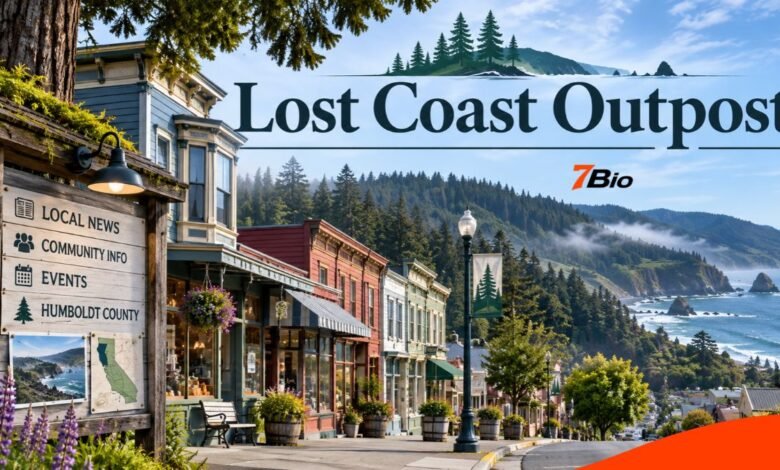
Lost Coast Outpost is a local news and community information website serving Humboldt County in Northern California. Known to many readers as LoCO, the publication combines breaking news, local government reporting, emergency information, cultural coverage, and community resources in one digital destination.
Unlike news platforms concentrating primarily on national politics or international headlines, this publication focuses on events and decisions affecting people in Humboldt County. Its coverage ranges from city council meetings and public safety incidents to road conditions, neighborhood developments, and local entertainment.
The platform is operated by Lost Coast Communications, a locally owned media company based in the Eureka area. Its editorial approach reflects the understanding that community journalism includes both serious investigations and the smaller stories that shape everyday life.
For residents, business owners, students, and visitors, the website provides a practical way to understand what is happening across the region.
What Is Lost Coast Outpost?
Lost Coast Outpost is an independent local media publication dedicated to reporting and sharing information about Humboldt County, California. It describes its role as a community homepage, reflecting its combination of journalism and public-interest information.
Quick Answer: Lost Coast Outpost is a Humboldt County news website publishing local reporting, public safety updates, community announcements, and event information. It is a project of Lost Coast Communications and is associated with editor Hank Sims.
The publication is particularly relevant to people interested in Eureka, Arcata, Fortuna, McKinleyville and other communities throughout the county.
Its name should not be confused with a tourist information center or a business operating exclusively along California’s remote Lost Coast shoreline. Although the surrounding North Coast region provides its geographical identity, the publication covers a much broader range of community issues.
Readers can find the official online publication at lostcoastoutpost.com.
The History and Development of the Publication
Early Beginnings in 2011
Lost Coast Outpost began in 2011, as digital local journalism developed new ways to reach audiences beyond traditional newspaper formats.
Hank Sims, who had previously worked in regional journalism, became the publication’s founding editor. His experience in reporting and website development helped shape a model that combined original journalism with accessible local information.
The publication’s early development showed how a regional news operation could combine written reporting, digital distribution, and information from other local sources.
Over time, it developed into a broader community platform covering numerous aspects of life in Humboldt County.
The Role of Lost Coast Communications
The publication operates as a project of Lost Coast Communications, Inc., a company involved in local media and radio broadcasting.
According to the company’s published ownership information, its ownership includes Patrick Cleary, Blue Lake Rancheria, and other shareholders.
This ownership structure is relevant to readers who want to understand the people and organizations behind the news they consume.
The company also operates regional radio services, connecting its broader media activities to audiences who get news and entertainment through broadcasting.
Editorial Leadership
The publication’s official editorial information identifies Hank Sims as editor. Its newsroom includes reporters and contributors working on local government, public safety, community developments, and other regional subjects.
Editorial responsibilities extend beyond publishing headlines. They include gathering information, checking claims, seeking context, and correcting material errors.
As newsroom staff and responsibilities can change, readers seeking the current editorial team should consult the publication’s official masthead.
What Kind of News Does Lost Coast Outpost Cover?
One of the publication’s distinguishing characteristics is the variety of subjects gathered under its local-news focus.
Breaking News and Public Safety
Breaking developments are an important part of the website’s coverage. These may include road accidents, significant fires, police activity, severe weather, and other events affecting the community.
Its homepage features frequently updated information, including incident-related alerts.
Some entries draw on information from public agencies, while others include additional reporting and explanation.
Readers should distinguish early incident notifications from fully verified news reports. Initial information may be incomplete, particularly when an emergency is still developing.
For immediate safety decisions, official emergency services and public authorities remain the appropriate sources of instructions.
Local Government and Civic Affairs
Local government reporting helps residents understand decisions made by public officials and institutions.
Lost Coast Outpost covers subjects such as city council activity, county government, public infrastructure, development proposals and community policy.
This type of journalism matters because local decisions can affect housing, transport, public spending, environmental conditions and access to essential services.
Coverage that explains the background to a decision can be especially useful to residents who cannot personally attend public meetings.
Roads, Traffic and Weather Conditions
Humboldt County includes urban communities, rural roads, coastal routes, and mountainous terrain. Travel conditions can change because of severe weather, collisions, construction, or other disruptions.
The website provides access to traffic-related information and weather reports that may help readers identify developing issues.
This information helps identify potential disruptions, but it should not replace official road closure notices, transport agency updates, or emergency warnings.
Community Events and Entertainment
Local journalism is not limited to government and emergencies.
Through its Lowdown! event coverage, the platform provides information about entertainment and activities around Humboldt County.
Readers may encounter details about concerts, theatre, film screenings, cultural gatherings, nature-related activities, and other local events.
This coverage helps residents discover activities while giving organizers an additional way to reach the community.
Obituaries and Community Announcements
The publication also provides space for remembering people who have lived in the region.
Its published obituary policy permits qualifying obituaries of Humboldt County residents and certain people connected with neighboring communities.
According to its FAQ, eligible obituary submissions are published without a fee, subject to the outlet’s stated requirements.
Families should review the current submission guidance before sending material, particularly the rules concerning residency, service details and submission deadlines.
Employment and Local Marketplace Information
The website includes a jobs section featuring employment opportunities from organizations operating in the area.
These listings can help people searching for work in Humboldt County and employers trying to reach local applicants.
However, job advertisements are separate from independent journalism. Applicants should verify qualifications, deadlines, compensation, and recruitment instructions with the employer before submitting personal information.
How to Use Lost Coast Outpost Effectively
The website brings together several types of information, so choosing the right section can make browsing more efficient.
1. Begin With the Main News Feed
Readers interested in recent developments can start with the homepage.
This is a practical starting point for identifying major stories and newly published reports. Check the publication date and any subsequent updates before relying on information about an ongoing event.
2. Check Alerts for Developing Incidents
For traffic disruptions or public safety developments, look for the incident and alerts sections.
These features can help readers spot a developing situation, but preliminary entries may not include the full explanation.
Where safety is involved, compare the information with official agency announcements.
3. Explore Lowdown! for Local Activities
People planning their weekends or looking for activities can browse Lowdown! and its event listings.
Check the event organizer’s current details before traveling because venue information, schedules, and availability can change.
4. Use Topic-Specific Sections
Readers with particular interests can explore the site’s obituary, nature, community and marketplace sections.
This is often more useful than scrolling through unrelated headlines when searching for a specific type of information.
5. Confirm Details Before Taking Action
Whether the information concerns a road closure, public meeting, employment opportunity, or community event, verify key details with the responsible organization.
A local news platform is valuable for awareness and context, but it is not a replacement for an official government notice or direct confirmation.
What Makes the Platform Different From National News Websites?
National news organizations generally prioritize stories with broad regional, national, or international significance.
A hyperlocal publication works differently. It can devote attention to developments that matter deeply within one county, even when those stories attract little interest elsewhere.
A road improvement in Eureka might never become a national headline, yet it can influence daily travel for nearby residents.
Similarly, a school board discussion, proposed housing development, or community fundraiser may be significant to people living within a small geographical area.
Lost Coast Outpost brings these issues into a shared public conversation.
Its combination of serious reporting and lighter community material also reflects the varied ways people experience their surroundings. Readers may visit because of a developing emergency and return later for an event listing or a story about local culture.
This broader approach gives the publication a role beyond delivering traditional newspaper-style articles.
How Reliable Is Lost Coast Outpost?
Reliability should be assessed through reporting practices, transparency, corrections, and the strength of evidence supporting individual stories.
Lost Coast Outpost publishes an editorial corrections policy explaining how it handles mistakes.
Under that policy, minor errors that do not change a reader’s understanding may be corrected directly. More substantial factual mistakes are intended to receive a visible correction within the article.
The publication also distinguishes between original reporting and material supplied through press releases.
That distinction matters because a press release represents information provided by an organization, while independent journalism may involve additional investigation, questioning and verification.
Readers should pay attention to attribution, source material and the difference between reported facts and commentary.
Understanding the Limits of Breaking News
Even responsible news organizations can publish incomplete information during fast-moving events.
An emergency dispatch entry, for example, might describe the nature of a call without establishing the final circumstances.
Likewise, early reports of an accident may change when authorities release additional findings.
A careful reader should compare the original publication time with later updates and avoid repeating unconfirmed details as facts.
A corrections policy is a useful transparency measure, but it does not, by itself, establish that every published claim is accurate.
How the Website Supports Its Journalism
Local reporting requires editorial staff, technology, administration, and other operating resources.
Lost Coast Outpost uses advertising to support its activities and also provides ways for readers to contribute financially.
Its published support information describes a LoCO Fan Club through which readers can support local independent journalism.
Membership terms and benefits may change, so prospective supporters should review the current information before subscribing.
Advertising relationships should also be distinguished from the editorial content readers encounter.
Understanding how a news organization is funded can help audiences make more informed judgments about transparency and potential conflicts of interest.
How Readers Can Submit News Tips or Corrections
Local publications often depend on information from residents, community organizations, and people with direct knowledge of events.
Lost Coast Outpost invites editorial correspondence and news tips through its published contact details.
Its listed editorial email address is news@lostcoastoutpost.com.
Readers seeking a correction can use the same address and identify the message as a correction request.
A useful news tip should explain what happened, where it occurred, when it happened, and how the information can be verified.
Supporting documents or photographs may help, provided they can be shared lawfully and do not unnecessarily expose private personal information.
When correcting, identifying the specific article and factual issue makes the request easier for an editor to assess.
Why Local Journalism Matters in Humboldt County
Humboldt County’s geography and range of communities create distinctive information needs.
Residents may be separated by considerable distances, and issues affecting one part of the county may receive relatively little attention from larger media organizations.
Locally focused reporting can help address this information gap by covering government accountability, public services, infrastructure and community developments.
It can also preserve an ongoing record of changes within a region.
A single report about a public meeting may seem ordinary, but years of reporting can help communities understand how decisions were made and how priorities evolved.
The value of such coverage is not measured solely by audience numbers. It also lies in whether residents can access meaningful information about the institutions, decisions, and circumstances affecting their lives.
FAQs
1. What is Lost Coast Outpost known for?
Lost Coast Outpost is known for its Humboldt County news coverage, including local government reporting, breaking developments, public safety information, and community events. It also provides access to resources such as obituaries and employment listings.
2. Who owns Lost Coast Outpost?
Lost Coast Communications, Inc., a locally owned media company in California, runs the publication. Its published ownership information identifies Patrick Cleary, Blue Lake Rancheria, and other shareholders.
3. Is Lost Coast Outpost free to read?
The publication has traditionally made its news reporting available without a mandatory paid membership. It is supported through advertising and voluntary reader-support options. Particular access arrangements may change over time.
4. Who is the editor of Lost Coast Outpost?
Hank Sims is identified as the editor on the publication’s official masthead. He also helped found the publication in 2011 and has an established background in Northern California journalism.
5. Can readers submit community events or obituaries?
Yes. The publication provides processes for submitting qualifying community events and obituaries. Submission requirements differ, so readers should consult its current event-listing instructions and obituary policy before sending material.
Final Takeaway
Lost Coast Outpost represents a locally focused approach to digital journalism that combines news reporting with practical community information.
Its coverage of public affairs, breaking developments, cultural events, and daily life makes it relevant to people seeking a clearer understanding of Humboldt County.
The platform is particularly useful when readers want information that larger news outlets may overlook. At the same time, important decisions should rely on verified reporting and, where appropriate, official announcements.
For those interested in Northern California news and community developments, Lost Coast Outpost offers a dedicated starting point for following Humboldt County’s changing local story.