
Tamil Students Association: A Complete Guide to Culture, Community and Student Opportunities
Discover how Tamil student societies bring people together, celebrate cultural heritage, develop leadership skills, and create meaningful opportunities on university campuses.

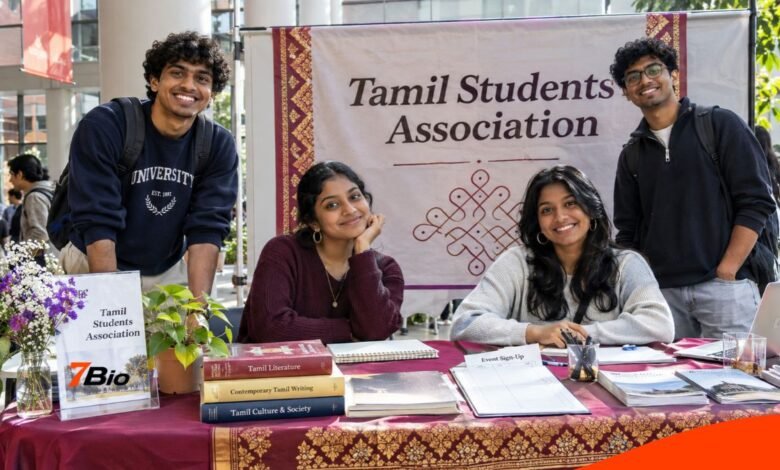
A Tamil Students Association is usually a student-led organization that brings university students together through Tamil language, culture, heritage, and shared community interests. These associations create opportunities for friendships, cultural celebrations, education, volunteering and personal development.
For Tamil students studying away from home, university can offer exciting experiences alongside the challenge of adjusting to unfamiliar surroundings. A cultural society can provide a familiar environment where students meet people with similar experiences while building connections across the wider campus.
Importantly, the term does not refer to a single worldwide organization. Universities may have independent associations with their own committees, membership requirements, and programs. Some institutions use the name Tamil Society instead.
Understanding these differences helps prospective members identify legitimate campus groups and choose activities that suit their interests.
What Is a Tamil Students Association?
A Tamil Students Association, often abbreviated as TSA, is a university or college organization that connects students through Tamil cultural identity and shared interests.
Its responsibilities depend on the institution. Some groups primarily organize cultural festivals and social gatherings, while others also provide educational workshops, career networking, community outreach, and volunteering opportunities.
The University of Toronto St. George campus, for example, has a recognized Tamil Students’ Association that describes its activities as cultural programming, educational initiatives, and student development.
At the University of British Columbia, the Tamil Students’ Association identifies cultural preservation, student engagement, community service and inclusivity as important parts of its purpose.
These examples illustrate a common principle: university societies can preserve cultural traditions while helping students participate in contemporary campus life.
Is Every Tamil Students Association the Same?
No. Although different organizations share similar names and cultural interests, they do not necessarily operate under one central administration.
Each group may have its own constitution, elected representatives, financial arrangements and membership policies.
Students should therefore identify the university connected with an association before relying on information about its activities, eligibility or leadership.
Why Tamil Student Societies Matter
Tamil-speaking communities have connections to different regions, including India, Sri Lanka, Malaysia and Singapore, as well as communities established elsewhere.
Their traditions reflect a wide variety of regional histories, religious backgrounds, family experiences, and cultural practices.
A student society can acknowledge this diversity without treating every Tamil student as having the same identity or perspective.
Preserving Language and Cultural Heritage
Language is an important element of cultural continuity.
Some students grow up speaking Tamil at home, while others understand only certain expressions or wish to learn the language more confidently.
Cultural associations can offer opportunities to practice conversational Tamil, explore literature, learn about traditional arts, and discuss historical developments.
For example, UCL Tamil Society advertises Tamil lessons for beginners and intermediate learners.
Such activities can help students connect with heritage through participation rather than requiring existing fluency.
Creating a Sense of Belonging
Starting university often involves meeting unfamiliar people and adapting to new routines.
Student groups provide structured opportunities for social contact beyond lectures and accommodation.
An association may introduce members to fellow students, organize informal gatherings, or help newcomers become familiar with campus activities.
A supportive environment is particularly valuable when students feel comfortable participating without pressure to demonstrate a particular level of cultural knowledge.
Encouraging Cross-Cultural Understanding
Tamil cultural societies can also introduce other students to Tamil traditions, art, language, and community history.
Inclusive programming creates opportunities for respectful cultural exchange.
Rather than limiting activities to people who share one background, many university societies welcome anyone with a genuine interest in learning.
What Activities Do Tamil Students Associations Organize?
Activities differ based on committee priorities, funding, available facilities, and student interest.
A society may combine cultural programs with social, educational and professional opportunities.
Cultural Festivals and Celebrations
Cultural events are among the most recognizable activities associated with Tamil student communities.
Possible celebrations include Thai Pongal, Tamil New Year and programs centered on traditional music, dance and food.
Thai Pongal is a harvest festival with an important place in Tamil cultural life. A university celebration might introduce its traditions through presentations, performances or educational activities.
Not every association organizes these events annually, so students should consult their own society’s calendar.
Educational Events and Language Workshops
Learning activities can complement social gatherings.
Societies may organize discussions about Tamil literature, history, and cultural traditions or provide language-learning opportunities.
Some groups also host talks addressing subjects relevant to their communities.
These activities are particularly useful when they encourage questions and welcome participants with different levels of background knowledge.
Sports and Social Gatherings
Informal activities help members get to know one another without requiring extensive cultural knowledge.
University Tamil societies may organize game evenings, meals, sporting activities, or collaborative events with neighboring institutions.
For instance, Warwick Tamil Society describes social gatherings, sports participation, and events involving students from other universities.
Such activities provide opportunities for teamwork and friendships beyond regular academic settings.
Volunteering and Community Outreach
Community involvement is another possible area of activity.
Students might participate in fundraising, charitable projects, awareness campaigns, or programs involving local organizations.
The specific cause and nature of an event should always be checked with its organizer.
Participation should be voluntary, transparent and consistent with university policies.
Examples of Tamil Student Organisations at Universities
Several universities officially recognize Tamil cultural associations or societies.
The following examples demonstrate how the naming and emphasis of these organizations can differ.
| University | Organisation | Main Areas of Activity |
|---|---|---|
| University of Toronto, St. George | UTSG Tamil Students’ Association | Cultural events, community outreach, education and student networking |
| University of Toronto Mississauga | UTM Tamil Students’ Association | Tamil heritage, social connections and inclusive community activities |
| University of British Columbia | UBC Tamil Students’ Association | Cultural programmes, language learning, social events and community engagement |
| McGill University | Tamil Students’ Association (TAMill) | Promotion of Tamil culture, language, customs and community cooperation |
| University College London | UCL Tamil Society | Cultural events, networking, volunteering and language activities |
| University of Warwick | Warwick Tamil Society | Cultural exchange, social events and sports |
These are examples of campus-specific groups, not branches of a single global association.
Their current activities, committee membership and registration arrangements can change between academic years.
Benefits of Joining a Tamil Students Association
Membership can offer several practical opportunities, although outcomes depend on the individual and the society.
Making Friends and Building Connections
Joining a society introduces students to people outside their normal course or accommodation.
Repeated participation in events can make it easier to develop friendships based on shared interests.
Members may also meet students from different academic disciplines, years of study, and cultural backgrounds.
Developing Leadership Skills
Running a student organization requires planning, communication, and cooperation.
Committee members may help manage event budgets, coordinate volunteers, promote activities or communicate with university administrators.
These responsibilities can provide useful experience in organization and teamwork.
However, membership alone does not guarantee professional advancement. The experience gained depends on a student’s actual involvement.
Building Confidence Through Participation
Some students begin by attending an event and later volunteer to help organize one.
Taking on manageable responsibilities can provide opportunities to practice public speaking, decision-making, and teamwork.
Students who prefer smaller roles can still contribute through event preparation, photography, communication or other suitable activities.
Exploring Career and Networking Opportunities
Some Tamil societies arrange career discussions, professional networking or collaborations with graduates.
For example, the UCL Tamil Society identifies career initiatives and networking opportunities.
Students should check details for each program rather than assuming every association offers mentorship, internships, or employment connections.
Who Can Join a Tamil Students Association?
Eligibility depends on the organization’s rules.
Many Tamil student groups welcome people interested in Tamil culture regardless of their ethnicity or language ability.
The University of Toronto Mississauga association explicitly welcomes students who speak Tamil fluently, are learning it, or want to explore the culture.
UCL Tamil Society also describes its community as open to all students.
However, attending an event, becoming a registered member and standing for a committee position may involve different requirements.
Students should check whether membership is limited to their institution, whether a fee applies, and whether certain activities require registration.
How to Find and Join a Tamil Students Association
Finding the correct organization is usually straightforward when students begin with official university resources.
Step 1: Search Your University’s Student Groups
Visit the university’s student union or recognized student-organization directory.
Search for Tamil Students Association, Tamil Society, or similar names.
The exact title may differ between institutions.
Step 2: Confirm the Organization Is Recognized
Check whether the group appears in an official campus directory.
University recognition can help distinguish an established student group from an unrelated social-media page.
Recognition does not mean the university endorses every opinion or event promoted by the group.
Step 3: Review Membership Information
Read the society’s description, membership conditions, and available activities.
Check whether there are registration fees, event charges,, or access restrictions.
Step 4: Attend an Introductory Event
An orientation session, cultural gathering or society fair can provide a useful introduction.
Students can meet organizers, ask questions, and understand the type of community the society offers.
Step 5: Participate at Your Own Pace
New members do not need to volunteer for leadership responsibilities immediately.
Attending activities, meeting other students and gradually contributing to projects can provide a comfortable starting point.
How Are Tamil Student Associations Managed?
Most recognized campus societies operate within a university or student-union framework.
Their internal arrangements are usually established through constitutions or other governing documents.
Student Committees and Responsibilities
Depending on the organization, a committee may include a president, treasurer, secretary, and officers responsible for events, culture, or communications.
These positions help divide administrative responsibilities.
The University of Toronto’s St. George association, for example, publicly lists executive positions covering finance, events, culture and other responsibilities.
Funding and Event Planning
Activities may be supported through membership fees, approved university funding, fundraising or other permitted arrangements.
Income sources and spending rules vary.
Responsible organizers should maintain accurate records, follow institutional policies and communicate relevant costs before participants commit.
Inclusivity and Accessibility
Good event planning considers whether activities are welcoming and accessible to intended participants.
Organizers can improve participation by explaining events clearly, communicating costs, considering accessibility requirements, and avoiding assumptions about students’ cultural knowledge.
These practices help create an environment where people can participate respectfully.
Can Students Start a New Tamil Society?
Students at institutions without an existing Tamil association may be able to establish one.
The process generally begins by contacting the relevant student union or student activities office.
Applicants may need to demonstrate student interest, propose a purpose, submit a constitution, and identify committee members.
Requirements vary considerably between institutions.
Before launching a new group, students should also check whether another existing society already serves the same interests.
Cooperating with an established organization may sometimes be more practical than creating an overlapping group.
Common Misunderstandings About Tamil Student Associations
A recurring misconception is that the name describes one international organization with a single leadership team.
In practice, different university groups maintain their own identities and arrangements.
Another misunderstanding is that membership necessarily requires Tamil ancestry or fluency. Some societies explicitly welcome people from other backgrounds, although each organizationorganization sets its own eligibility criteria.
It is also incorrect to assume that all Tamil student groups focus solely on cultural performances.
Depending on the university, societies can include educational initiatives, sports, volunteering and professional development.
Finally, students should not assume that association membership automatically includes scholarships, employment opportunities or financial support.
Any such program must be confirmed through the organization responsible for providing it.
FAQs
1. What is the main purpose of a Tamil Students Association?
Its main purpose is generally to connect students through Tamil culture, language, heritage and community interests. Individual associations may also organize educational, social, and professional activities.
2. Can students who do not speak Tamil join?
Some associations explicitly welcome students who do not speak Tamil, including people interested in learning about the language and culture. Membership eligibility should be checked with the individual university society.
3. Is joining a Tamil student society free?
Not always. Some societies offer free introductory activities, while others charge membership or event fees. Costs depend on the university and the type of participation.
4. Does every university have a Tamil Students Association?
No. Availability differs between institutions. Some universities have established Tamil societies, while others may not have a dedicated organization. Students should check their official campus directories.
5. Can members participate in organizing events?
Many student-led societies offer volunteering or committee opportunities. The selection process, responsibilities, and eligibility requirements are determined by the individual organization.
Final Takeaway
A Tamil Students Association can be an important part of university life for students interested in Tamil culture, heritage and community connections.
Its value extends beyond individual celebrations. Depending on the organizationorganization, participation can offeroffer opportunities to buildbuild friendships, practicepracticepractice language skills, contribute to community projects,, and gain experience through student leadership.
The most useful approach is to find the association recognized by a particular university, review its current activities, and choose a level of involvement that suits personal interests.
Whether someone joins to reconnect with Tamil heritage or to discover it for the first time, an inclusive student society can provide a meaningful space for cultural learning and shared experiences.