Halcare Cream: A Helpful Guide to Ingredients, Uses, Benefits, and Skin Safety
Understanding the moisturizing formula, its potential benefits for dry feet, and the precautions to know before use.

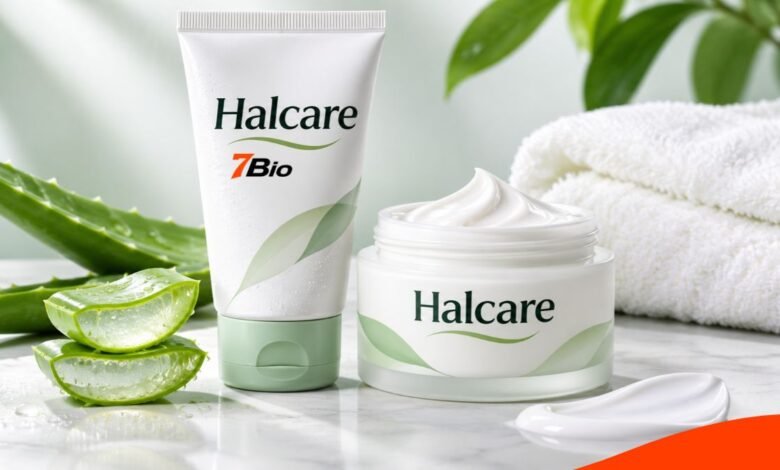
Halcare is a topical skincare cream listed by Halberd Pharmaceuticals, an Indian pharmaceutical company. Its published formulation includes urea, glycerin, aloe vera, cocoa butter, dimethicone, petroleum jelly, and other ingredients commonly used in moisturizing products. This combination makes the cream relevant to people researching dry skin, rough heels, and everyday skin hydration.
However, understanding a skincare product requires more than reading its ingredient names. The concentration of each ingredient, the condition of the skin, and the manufacturer’s instructions all influence how a cream should be used. An ingredient known to support hydration does not automatically establish that the finished product has been clinically proven to treat a particular condition.
For readers interested in foot care, the distinction is especially important. Regular moisturizing can support healthy skin, but it cannot replace appropriate medical attention for infections, ulcers or complications associated with diabetes.
This guide examines what is publicly confirmed about the cream, how its ingredients generally function, its limitations, and the practical considerations involved in selecting a suitable moisturizer.
What Is Halcare Cream?
Halcare Cream is a skin-conditioning formulation in Iberd Pharmaceuticals’ product catalog. The company’s published listing identifies ingredients associated with attracting moisture, softening the skin, and limiting water loss.
An Indian pharmacy retailer, Tata 1mg, also lists the product as a 100 ml cream from the same pharmaceutical company. This provides independent confirmation of a commercially listed product, rather than merely an unverified name appearing in online skincare articles.
The available manufacturer listing does not provide detailed ingredient percentages, a comprehensive application schedule, or publicly documented clinical results for the complete formulation. Therefore, any specific claims about how quickly it works, its superiority to another product, or its effectiveness against a medical condition require additional evidence.
The best way to understand the cream is through its published formulation and the established functions of its ingredients, while still recognizing that the packaging and current usage instructions matter.
Understanding the Ingredients in Halcare
The cream contains several groups of ingredients that serve different purposes. Some draw water into the outer skin layers, while others soften the skin or form a barrier that slows moisture loss.
Urea and Glycerin for Moisture Retention
Urea is a widely used moisturizing ingredient found in products designed for dry, scaling, or thickened skin. It belongs to a group called humectants, which help retain water in the outermost skin layer. At appropriate concentrations, urea can also help soften rough surface skin.
Glycerin has a complementary function. It attracts and retains moisture, helping the skin feel smoother and more flexible. Combining humectants with emollients and protective ingredients is a familiar approach in moisturizing formulations.
Although both ingredients appear in the published Halcare formula, their precise concentrations are not disclosed on the manufacturer’s public product page. This means you can’t reliably compare the cream’s strength with products that specify urea percentages.
Aloe Vera and Cocoa Butter
Aloe vera is commonly incorporated into skincare formulations for its skin-conditioning properties. Cocoa butter is a plant-derived fat used as an emollient to improve skin softness and reduce the uncomfortable feeling associated with dryness.
Their inclusion may contribute to the cream’s overall moisturizing characteristics. Nevertheless, the presence of a botanical ingredient does not prove that a product will suit every skin type or prevent irritation.
Dimethicone, Petroleum Jelly and Liquid Paraffin
These ingredients are particularly relevant to skin experiencing excessive moisture loss.
Dimethicone is a silicone-based skin-conditioning ingredient that can help form a protective surface barrier. Petroleum jelly and liquid paraffin are occlusive ingredients, meaning they help reduce the rate at which water evaporates from the skin.
This protective function complements the role of humectants. Rather than simply adding moisture, a well-formulated cream may combine ingredients that attract water with ingredients that help retain it.
Other Ingredients and Their Roles
The manufacturer also lists zinc oxide, vitamin E, L-arginine, propylene glycol, fatty alcohols, preservatives, and perfume.
Zinc oxide is frequently used in protective skincare formulations, while vitamin E has antioxidant properties. Fatty alcohols such as cetyl alcohol and stearyl alcohol can help soften the skin and contribute to a cream’s texture.
Preservatives help protect formulations from microbial contamination during their intended shelf life. Fragrance contributes scent but can be unsuitable for people who experience fragrance-related skin reactions.
Ingredient Overview
| Ingredient | General skincare function |
|---|---|
| Urea | Attracts moisture and may soften rough skin |
| Glycerin | Supports hydration in the outer skin layer |
| Aloe vera | Provides skin-conditioning properties |
| Cocoa butter | Helps soften and smooth dry skin |
| Dimethicone | Supports a protective moisture barrier |
| Petroleum jelly and liquid paraffin | Help reduce water loss |
| Zinc oxide | Commonly used as a skin-protective ingredient |
| Vitamin E | Used for antioxidant and conditioning properties |
These descriptions explain the ingredients’ recognized functions, not clinical proof of the finished product’s performance.
What Are the Potential Benefits of Halcare?
The formula suggests potential benefits as a moisturizer, particularly for dry, uncomfortable, or rough skin. Its likely value is best understood through ordinary skin hydration rather than exaggerated treatment claims.
Supporting Dry Skin Hydration
Dry skin develops when the outer skin layer cannot retain sufficient moisture. It may feel tight, appear flaky, or become uncomfortable following washing and environmental exposure.
Moisturizing products containing humectants and occlusive ingredients can support the skin’s ability to retain water. Halcare’s ingredient combination aligns with this general approach.
However, the degree of improvement depends on individual skin conditions, ingredient concentrations, application habits, and other factors.
Softening Rough Heels
The heels experience repeated pressure and friction during walking and standing. When the skin becomes excessively dry, roughness may become more noticeable.
A moisturizer containing urea, glycerin, and protective emollients may help soften intact dry skin. This makes the formulation relevant to people researching routine heel care.
Deep heel fissures, bleeding cracks or painful areas require assessment rather than relying on a cosmetic cream alone.
Supporting a Regular Foot-Care Routine
Moisturizing is one component of maintaining healthy feet. Appropriate footwear, regular inspection, gentle washing and careful drying are equally relevant.
Consistently applying a suitable product may help reduce discomfort from ordinary dryness. However, no specific improvement time has been established for Halcare Cream through publicly available product-specific trials.
Halcare and Diabetic Foot Care
People living with diabetes may develop foot problems involving reduced sensation, poor circulation or changes in skin condition. Some experience particularly dry skin, making appropriate moisturizing an important part of routine care.
Guidance from recognized diabetes organizations supports using suitable emollients, including urea-based products, where appropriate. However, maintaining skin hydration differs from treating a diabetic foot complication.
Halcare should not be considered a treatment for diabetes, nerve damage, reduced circulation, infections or foot ulcers. Its ingredient list alone does not establish that it has been clinically tested or approved specifically for managing diabetic foot disease.
Anyone with diabetes should consult their healthcare professional or podiatrist if they are unsure about suitable foot-care products, particularly if they have reduced sensation, previous ulcers, circulation problems, or fragile skin.
Medical guidance also advises avoiding routine application of moisturizer between the toes, where excess moisture may contribute to skin breakdown.
How to Use a Moisturizing Cream Safely
Always follow the instructions supplied with the product. Because detailed manufacturer directions for Halcare are not established in the public listing reviewed, the following represents general moisturizer guidance rather than a verified Halcare-specific dosing schedule.
First, examine the skin for cuts, open wounds, swelling, infection, or unusual discoloration. Do not try to manage these problems by applying moisturizer alone.
For routine foot care, wash the feet gently using comfortably warm water and a mild cleanser. Dry them carefully, paying attention to the spaces between the toes.
Apply an appropriate amount of moisturizer to intact areas of dry skin, following the product label and any advice from a pharmacist or healthcare professional. Avoid getting cream into open wounds or applying it to irritated areas without suitable guidance.
If you have diabetes, avoid applying moisturizer between the toes unless your healthcare professional has specifically advised otherwise.
Because the formula includes fragrance and preservatives, people prone to skin reactions should consider testing a small area of healthy skin before wider use. Stop using the product if redness, itching, burning, or a rash develops.
Possible Side Effects and Precautions
Like other skincare creams, Halcare may not suit every person. Reactions depend on individual sensitivity and the complete formulation.
Products containing urea can cause temporary stinging, particularly when skin is irritated or damaged. Fragrances and certain preservatives may trigger contact dermatitis in susceptible individuals.
Potential signs of irritation include redness, itching, uncomfortable burning, swelling, or a developing rash. These reactions should not be dismissed as proof that the product is working.
Discontinue use if irritation occurs. If symptoms are severe, persistent, or worsening, seek professional medical advice.
Petroleum-based ingredients also make general emollient fire precautions relevant. Fabrics that become contaminated with emollient residue may catch fire more readily, so avoid smoking and naked flames near treated clothing or bedding.
What Halcare Cannot Be Expected to Treat
It helps to separate a skincare product’s moisturizing function from medical treatment.
Publicly available evidence does not establish Halcare as a treatment for fungal infections, eczema, psoriasis, bacterial infections, or chronic wounds. Its skincare ingredients also do not show it can reverse diabetic neuropathy or restore impaired circulation.
Persistent redness, unexplained cracking, repeated irritation, or worsening dryness may indicate a condition that needs diagnosis rather than a different moisturizer.
For people with diabetes, a new wound, blister, red or swollen foot, unusual temperature change, discharge or unexplained pain should prompt urgent contact with a foot-care or medical team. Waiting for a cream to improve such symptoms can delay essential treatment.
How to Choose Between Halcare and Other Moisturizers
Rather than assuming one named product is best, consumers can compare formulations using meaningful criteria.
For ordinary mild dryness, a simple moisturizer may provide adequate comfort. For more noticeable scaling or roughness, a clinician or pharmacist may recommend a urea-based preparation at an appropriate concentration.
People with fragrance sensitivity may prefer fragrance-free products. Those who experience discomfort with a particular ingredient may need a different formulation.
Urea concentration matters most when comparing products. A cream that merely lists urea cannot be assumed to provide the same effects as another product that specifies a particular percentage.
The most useful comparison is between ingredient concentrations, individual skin needs, tolerability, and verified product instructions, rather than advertising claims.
Availability and What to Check Before Buying
An Indian pharmacy retailer lists Halcare Cream in a 100 ml tube, with Halberd Pharmaceuticals identified as the marketer. Availability, selling price, and delivery options can change.
Consumers outside India, including those in the United Kingdom, should not assume the product is available or authorized for sale in their country simply because it appears in an Indian catalog.
Before purchasing, check the seller’s reliability, the product’s full packaging information, expiry date, batch identification, ingredient list, and any usage warnings.
Be particularly cautious if an online listing promises to cure serious skin conditions or diabetic complications. Such claims need reliable clinical and regulatory support, not just customer testimonials.
FAQs
1. What is Halcare used for?
Halcare is a topical cream containing ingredients commonly used to moisturize and condition dry skin. Its formulation suggests relevance to dry or rough skin care, but specific medical treatment claims have not been established by the public manufacturer listing.
2. Does Halcare contain urea?
Yes. Urea appears in the ingredient information published by Halberd Pharmaceuticals. However, the publicly available listing does not specify its exact concentration.
3. Can people with diabetes use Halcare Cream?
Some people with diabetes may benefit from suitable moisturizers for intact, dry skin, but they should choose products based on their foot health. Those with ulcers, reduced sensation, infections, or circulation problems should seek professional advice.
4. Can Halcare cause skin irritation?
Potentially. Ingredients such as fragrance, preservatives, and urea may cause discomfort or sensitivity in some individuals. Stop use if a concerning reaction develops and seek advice when necessary.
5. How quickly does Halcare Cream work?
No reliable, product-specific clinical timeline was established from the publicly available information reviewed. Moisturizing effects and longer-term skin improvements may vary depending on the formulation, skin condition and frequency of appropriate use.
Final Takeaway
Halcare is a commercially listed skincare cream associated with Halberd Pharmaceuticals. Its formulation contains established moisturizing ingredients, including urea, glycerin, cocoa butter, dimethicone, and petroleum jelly.
These ingredients provide a reasonable basis for understanding its potential role in supporting hydration and comfort for dry skin. Less clear are the concentration of individual ingredients and the finished product’s clinical performance.
For readers considering the cream, the priority should be choosing a suitable, authentic moisturizer, following verified packaging instructions, and recognizing when a skin problem requires medical care.
A good skincare routine depends on appropriate products and consistent care, not unsupported promises of dramatic results.