Polstret: The Ultimate Guide to Upholstered Furniture, Materials and Care
Discover the meaning of Polstret, explore upholstered furniture styles, materials, comfort, and practical tips for choosing and maintaining quality furniture.

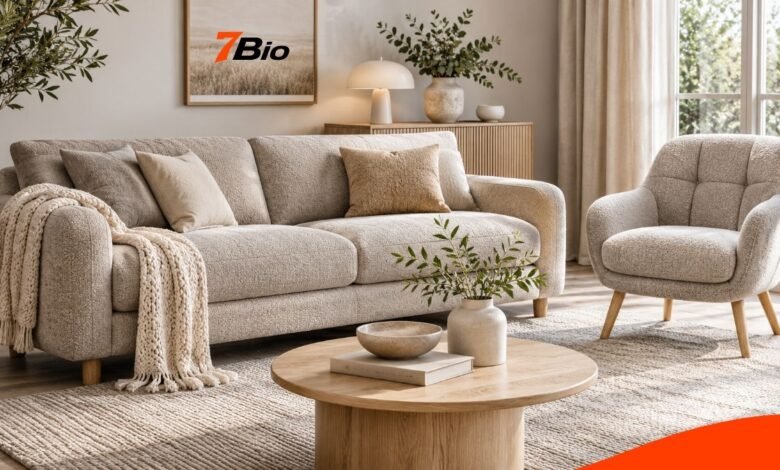
Polstret is a Danish word commonly used to describe something upholstered or padded. In furniture descriptions, it usually refers to chairs, sofas, benches, and other pieces fitted with cushioning or soft coverings. The term is particularly relevant when exploring Scandinavian furniture, where practical construction and understated design often receive considerable attention.
Although the word may be unfamiliar to English-speaking shoppers, the idea behind it is straightforward. Upholstered furniture combines a supporting structure with padding and an outer covering to create a more comfortable surface.
Understanding these components helps when choosing seating, comparing materials, or deciding whether to repair an existing piece.
This article explains what Polstret means, the materials used in upholstered furniture, key buying considerations, and practical ways to maintain padded furnishings.
What Does Polstret Mean?
Polstret is a Danish adjective generally translated as upholstered or padded.
It comes from the Danish verb polstre, which means to upholster or add padding to an object. The related noun polster refers to padding or upholstery and is connected to the German word Polster.
In furniture terminology, the word indicates that a surface has been fitted with cushioning rather than being left completely hard or uncovered.
For example:
- Polstret stol means upholstered chair.
- Polstret sofa means upholstered sofa.
- Polstret sæde means padded or upholstered seat.
- Polstrede møbler means upholstered furniture.
The word can also appear in other Danish contexts, including figurative descriptions. However, furniture and padding are the most relevant meanings for readers researching home furnishings.
Importantly, Polstret is an ordinary descriptive term, not necessarily a specific furniture manufacturer, product collection, or trademark.
Understanding Polstret in Furniture Design
Upholstery is more than a decorative fabric attached to a chair. It combines structural support, cushioning, covering materials, and finishing techniques.
A typical upholstered chair or sofa may contain several layers.
Supporting frame: The structural foundation is commonly made from wood, engineered timber, or metal. Its design and joinery influence stability.
Seat support: Springs, elastic webbing or other support systems help distribute weight and support the cushions.
Cushioning: Foam, fiber, feathers, or combinations of fillings provide softness and shape.
Outer covering: Fabric, leather or manufactured alternatives create the visible surface.
Finishing details: Seams, piping, buttons and stitching contribute to appearance and construction.
Not every upholstered product uses all these components. A padded dining chair may have a simple foam cushion attached to a rigid seat, while a larger sofa may have a more complex suspension and cushion system.
The distinction matters because upholstery quality cannot be judged by appearance alone.
Common Types of Polstret Furniture
Upholstered furniture appears in many rooms and serves different purposes.
Sofas and settees
Sofas are among the most familiar upholstered items. Their cushioning, supporting structures, and coverings affect how comfortable they feel during extended use.
Two sofas with similar appearances may differ significantly in seat depth, cushion firmness and maintenance requirements.
Armchairs
Upholstered armchairs provide individual seating and may include padded armrests, backrests and head supports.
They can be used as reading chairs, occasional seating or part of a coordinated living-room arrangement.
Dining chairs
Padded dining chairs combine the structure of conventional dining furniture with a cushioned seat or back.
They can make longer meals more comfortable, although their coverings may require additional care where food and drinks are frequently present.
Headboards and bedroom furniture
Upholstered headboards add a soft surface behind a bed. Depending on their construction, they may use fabric, leather or padded panels.
Some bed frames and storage benches also incorporate upholstery.
Benches and occasional seating
Hallway benches, window seats, ottomans and footstools may be partially or fully upholstered.
These pieces show that padding isn’t limited to traditional sofas and chairs.
Popular Upholstery Materials and Their Differences
The outer material influences how furniture looks, feels, and responds to everyday use. However, no single upholstery covering is universally superior.
| Material | Main characteristics | What to consider |
|---|---|---|
| Cotton and linen fabrics | Natural-fibre appearance and varied textures | Wrinkling, staining and cleaning requirements |
| Polyester and blended fabrics | Available in numerous textures and finishes | Quality, weave and manufacturer care guidance |
| Velvet | Distinctive pile and soft surface | Pressure marks, shading and specialist care |
| Genuine leather | Characteristic natural surface and ageing behaviour | Leather type, conditioning and exposure to heat |
| Faux leather | Manufactured leather-like appearance | Surface durability, cracking and peeling over time |
| Wool blends | Varied textures and fabric constructions | Specific cleaning instructions and suitability for use |
A fabric’s fiber composition doesn’t tell the whole story. Weave, finishing treatments, construction quality and intended use also influence performance.
For example, two polyester fabrics can feel completely different, while two leather sofas may require different care because they use different finishes.
When comparing products, ask for precise material details rather than relying on general descriptions such as luxury, premium or hard-wearing.
What Makes Upholstered Furniture Comfortable?
Comfort depends on more than softness.
A sofa with deep cushions may feel inviting at first but may not provide enough support for someone who prefers an upright sitting position. Conversely, a firmer chair may feel more comfortable when its seat height and back angle suit the user.
The following factors deserve attention.
Seat depth: Deep seating may suit relaxed lounging, while shallower seating can make it easier to sit upright.
Seat height: The right height allows a comfortable sitting posture and makes standing up easier.
Back support: Backrest shape and cushion placement affect how the body is supported.
Cushion filling: Foam usually provides a more structured feel, while feather-rich fillings tend to require more regular plumping.
Suspension: Springs, webbing, and other supporting components influence how the seat responds to weight.
Comfort is individual. Sitting on a piece of furniture for several minutes before buying is generally more informative than judging it by appearance alone.
When buying online, check measurements, construction details, and return conditions carefully.
How to Identify Well-Made Polstret Furniture
A visually attractive covering does not necessarily indicate durable construction.
To assess quality, begin with the features that are difficult to see.
Frame and structural stability
A well-constructed frame should feel stable under normal use.
Check whether the furniture rocks unexpectedly, creaks excessively, or has loose joints. Ask the seller about the frame material and how its corners are joined and reinforced.
Cushion construction
Examine the filling and consider whether it suits your preferred seating style.
High-density foam can provide structured support, but foam quality, formulation, and the overall cushion design matter. A filling should not be judged by one specification alone.
Fabric and stitching
Look for consistent stitching, properly aligned seams, and coverings that fit the furniture without obvious defects.
For patterned fabrics, check how the pattern continues across visible sections.
Practical maintenance
Ask whether the cushions can be rotated, whether replacement covers are available, and what cleaning instructions apply.
Don’t assume a removable cover is machine washable.
Warranty and replacement options
Review the actual warranty terms, including which components are covered and whether normal fabric wear or cushion softening is excluded.
Furniture that can be repaired or fitted with replacement parts may offer practical advantages over a piece that is difficult to maintain.
Polstret Furniture and Scandinavian Interior Design
Scandinavian interiors are often associated with restrained forms, practical layouts and a combination of natural-looking materials.
Upholstered furniture can fit these settings because it introduces texture and softness alongside wood, metal and other harder surfaces.
A neutral upholstered sofa, for instance, may sit alongside a timber coffee table and a simple floor lamp without making the room appear visually crowded.
Nevertheless, Scandinavian design isn’t limited to neutral colors or one type of furnishing.
Upholstery can also introduce stronger colors, textured fabrics, and contrasting shapes.
The key consideration is how a piece works within the available space, not whether it follows a fashionable label.
How to Choose Upholstered Furniture for Your Home
Choosing suitable furniture requires balancing comfort, appearance, dimensions, and maintenance.
Start with the intended purpose. Seating used every evening may require a different level of support from an occasional chair placed in a guest room.
Next, measure the available space.
Consider the width, height, and depth of the furniture, but also leave enough room for walking, opening doors, and moving around nearby items.
Before purchasing, follow this practical checklist:
- Measure the room and access points. Check doorways, staircases and other restrictions that might complicate delivery.
- Consider everyday use. Decide whether the furniture is mainly for lounging, dining, working or occasional seating.
- Compare cushion fillings. Choose a balance of softness, support and maintenance that suits your preferences.
- Inspect upholstery information. Check the covering material, cleaning instructions and any relevant durability information supplied by the manufacturer.
- Review the overall construction. Look beyond the visible fabric to the frame, suspension and joints.
- Check the purchase terms. Understand delivery arrangements, returns, warranties and available replacement components.
A more expensive item is not automatically the best option. The most suitable purchase is one whose construction and practical features match its intended use.
How to Clean and Maintain Polstret Furniture
Different upholstery coverings require different care methods. Using an unsuitable cleaner can cause staining, color changes, shrinkage, or damage to the fabric’s texture.
The safest starting point is the manufacturer’s care label.
Some upholstered furniture uses cleaning codes to identify suitable treatments.
| Cleaning code | General meaning |
|---|---|
| W | Use an approved water-based upholstery cleaner |
| S | Use a suitable water-free upholstery cleaning solvent |
| WS or SW | Certain water-based or solvent-based cleaning methods may be suitable |
| X | Vacuum or lightly brush only; avoid liquid cleaners |
These codes describe general cleaning approaches, not permission to use every product within a category. Always follow the instructions for the specific furniture item.
For routine maintenance, gently vacuum accessible fabric surfaces using a suitable upholstery attachment.
Remove dust from seams and crevices without damaging the covering.
If a spill occurs, carefully blot excess liquid rather than scrubbing aggressively. Check the applicable care instructions before applying any cleaning solution.
Test an approved product on a discreet area, if the manufacturer recommends it.
Avoid soaking the cushions because excessive moisture can affect both the covering and the internal filling.
For valuable, delicate, or heavily soiled upholstery, professional cleaning may be preferable to experimenting with household products.
Common Mistakes to Avoid
One common mistake is choosing upholstered furniture based solely on color or style.
A visually appealing sofa may prove uncomfortable if the seat dimensions do not suit its regular users.
Another mistake is assuming that all synthetic fabrics are easy to clean or that natural fabrics are necessarily delicate. Actual performance depends on construction, finishing, and the manufacturer’s instructions.
Buyers also sometimes overlook access measurements, only to discover during delivery that a sofa cannot pass through a doorway or staircase.
Finally, removing cushion covers without checking their care instructions can create problems. Some covers are designed to be removable for servicing rather than laundering.
Avoiding these mistakes can make furniture ownership more straightforward and reduce unnecessary maintenance difficulties.
When Should Upholstered Furniture Be Repaired or Replaced?
Visible wear does not always mean a piece of furniture needs replacing.
Loose seams, damaged covering fabric, and worn padding may be repairable, depending on the furniture’s construction and the availability of suitable materials.
Professional reupholstery involves replacing or renewing some of the covering and, where necessary, the internal padding.
It can be worth considering when a chair or sofa has a sound frame, sentimental value, or an unusual design that would be difficult to replace.
However, extensive structural damage, unstable joints, or several failing components can make repairs less practical.
Before deciding, obtain an assessment from a qualified upholsterer and compare the expected repair cost with the price and quality of a suitable replacement.
FAQs
1. What does Polstret mean in English?
Polstret is a Danish word that usually means upholstered or padded. In furniture descriptions, it refers to items such as chairs and sofas fitted with cushioning or soft coverings.
2. Is Polstret a furniture brand?
Polstret is an established Danish descriptive word, not the exclusive name of a furniture category or manufacturer. Its appearance in a product description does not by itself identify a particular brand.
3. What is the difference between padded and upholstered furniture?
Padding generally refers to cushioning that softens a surface. Upholstery is a broader term that covers the padding, support, and outer covering of furniture. The two descriptions frequently overlap.
4. Can upholstered cushion covers be washed in a machine?
Only when the manufacturer’s care instructions permit machine washing. Removable covers aren’t necessarily washable, and improper cleaning can cause shrinkage or damage.
5. Is Polstret furniture suitable for small rooms?
Yes. Upholstered furniture is available in different sizes, including compact armchairs, dining chairs, and small sofas. Room dimensions and the furniture’s actual measurements determine whether a particular piece fits comfortably.
Final Takeaway
Polstret is a useful Danish furniture term describing upholstered or padded surfaces. It refers to a familiar construction method rather than one particular furniture style.
Understanding the word is helpful when reading Scandinavian furniture descriptions, but making a good purchase requires looking beyond terminology.
Frame construction, cushion support, covering materials, dimensions, and maintenance requirements all deserve consideration.
Whether choosing a small dining chair or a substantial living-room sofa, the most reliable approach is to match the furniture’s design and construction to the way it will actually be used.