okfrut Explained: Fruit Drinks, Ingredients, Sugar and What Buyers Should Know
A practical look at the beverage brand, its fruit-inspired flavors, nutritional differences, and details worth checking before buying.

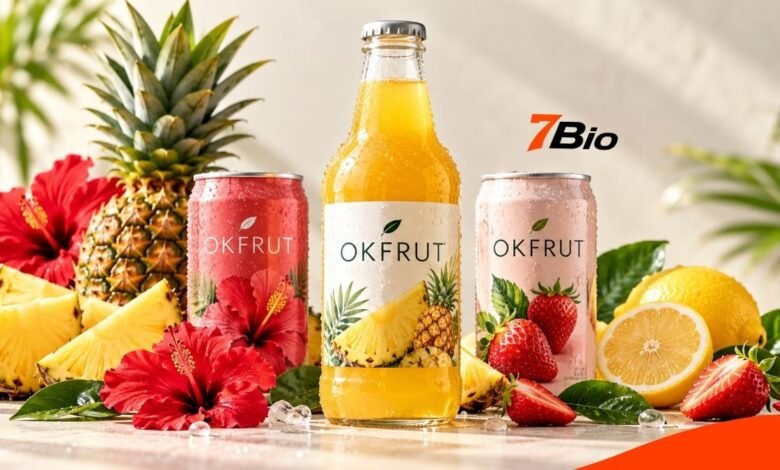
Okfrut is a beverage brand associated with fruit-flavored drinks, including products inspired by pineapple, melon, and hibiscus. Its name may suggest straightforward fruit juice, but products identified in retail listings and historical ingredient records fall into several beverage categories. Some contain added sugar, while others use low-calorie sweeteners or are marketed as zero-sugar sparkling drinks.
For anyone discovering the brand through a shop, an online listing, or an unfamiliar product label, the best starting point is understanding exactly what is inside the container.
The distinction matters because fruit flavor, fruit juice content, and nutritional quality aren’t the same. A beverage can contain fruit-derived ingredients while also including sweeteners, preservatives, colorings, or flavoring substances.
Understanding these differences makes comparing products much easier.
What Is Okfrut?
Okfrut is a brand name used for fruit-flavored beverages. United States trademark records associate the name with Whole Fruit JPC and classify it as a fruit-flavored drink.
The brand appears in historical packaged-food records and retail product listings, providing more concrete evidence of its identity than the conflicting descriptions found on some general-interest websites.
Although its products draw inspiration from fruits and traditional fruit drinks, they should not automatically be classified as pure juice or natural health supplements.
A product may be a sweetened fruit drink, a flavored water, or a sparkling beverage. The exact classification depends on its composition and packaging.
This distinction helps when comparing drinks sold in different bottle sizes or under different flavor names.
The Company and Background Behind the Brand
Public trademark information identifies Whole Fruit JPC as the owner associated with the OKFRUT trademark. A United States trademark filing dated September 16, 2014 describes the goods as fruit-flavored beverages.
Whole Fruit JPC also maintains a company website describing its work with fruit-based beverage products, concentrates and ingredients.
Its business activities include fruit concentrates and preparations used in beverages, such as pineapple concentrate, hibiscus extract and melon pulp.
These records establish a genuine connection between the company and the wider fruit beverage industry.
However, the trademark filing date should not be confused with the brand’s original launch date. The public evidence reviewed does not conclusively establish when the first branded drink entered the market.
Similarly, historical company experience should not be presented as proof that every current product uses the same ingredients or production methods.
For consumers, the most dependable information remains the packaging of the particular drink they intend to purchase.
What Types of Drinks Are Associated With Okfrut?
Available product records show the name has appeared on beverages with different flavors, formulations, and nutritional profiles.
Pineapple Fruit Drink
Pineapple is among the documented varieties.
A historical ingredient record identifies water, sugar, and pineapple juice as ingredients in a 20-fluid-ounce bottle.
That record also lists citric acid, preservatives, stabilizing substances, colorings, and flavoring.
This demonstrates why a pineapple-flavored drink should not automatically be treated as equivalent to freshly squeezed pineapple juice.
The fruit ingredient contributes to the product’s identity, but it is only one element of the complete formulation.
Hibiscus or Jamaica Drink
Another documented variety is hibiscus, also known as jamaica in many Spanish-speaking communities.
Hibiscus drinks traditionally use hibiscus flower flavor, producing a distinctive tart character.
A historical Okfrut hibiscus product record lists hibiscus alongside water, acids, flavoring substances, preservatives, and sweeteners.
Unlike the recorded pineapple product, that particular hibiscus formulation was listed as containing no sugar and no calories per bottle.
This does not mean every hibiscus-flavored beverage has the same nutritional composition. Recipes can differ between brands, product versions and markets.
Sparkling Water Varieties
Retail listings also identify zero-sugar sparkling drinks with the brand name, including strawberry and lemon flavors.
These products are presented as carbonated flavored beverages rather than conventional sweetened fruit drinks.
Carbonation produces the bubbles and fizzy mouthfeel associated with sparkling water. Fruit flavor can come from different ingredient combinations, depending on the formulation.
The key distinction is that zero sugar describes a nutritional characteristic, not a guarantee that a product contains only water and fruit.
Consumers who want to avoid certain sweeteners or additives should check the full ingredient list.
Ingredients: What Is Actually Inside the Drinks?
No single ingredient list applies to every beverage carrying this brand name.
Historical package information shows several categories of ingredients that may appear in its products.
Water and fruit ingredients: Water commonly forms the base of flavored beverages. Fruit juice, concentrates, extracts, or purées may then provide some of the characteristic flavor.
Sugar and sweeteners: Certain varieties contain added sugar. Others have been formulated with low-calorie sweeteners such as sucralose and acesulfame potassium.
Acidity regulators: Ingredients such as citric acid or malic acid can contribute tartness and help establish the intended flavor profile.
Preservatives: Some recorded formulations include potassium sorbate or benzoate preservatives, which are used in packaged foods and drinks to help control spoilage.
Colorings and stabilizers: Color additives and ingredients that influence texture or appearance may also be present.
Ingredient names alone do not establish whether a finished product is safe or unsafe. Authorized food additives are subject to rules governing their use, and safety depends on the substance, amount, and relevant regulatory standards.
Rather than assuming that all additives are harmful or that every fruit-based beverage is beneficial, buyers should assess the whole product.
The ingredient list, nutritional information, and serving size provide a more meaningful picture than front-of-pack marketing.
Understanding Sugar and Calories
One of the biggest differences between documented varieties is their sugar content.
Historical packaged-food information lists a 592 ml pineapple product at approximately 150 calories per bottle. The same record indicates a substantial sugar contribution, estimated at eight teaspoons per serving.
By contrast, a recorded 591 ml hibiscus variety carried a zero-calorie nutritional declaration and used low-calorie sweeteners.
These are historical product records, not guaranteed current nutritional specifications.
| Product example | Recorded container size | Historical calorie information | Important distinction |
|---|---|---|---|
| Pineapple fruit drink | 592 ml | Approximately 150 kcal | Contains added sugar |
| Hibiscus jamaica drink | 591 ml | 0 kcal | Contains low-calorie sweeteners |
| Strawberry sparkling water | 11.8 US fl oz cans | Marketed as zero calorie | Retail-listed sparkling product |
| Lemon sparkling water | 11.8 US fl oz cans | Marketed as zero calorie | Retail-listed sparkling product |
The figures and descriptions come from different historical food-label records and retail listings. They should not be used as a substitute for checking current packaging.
What Does This Mean for Everyday Consumption?
The NHS advises adults to limit free sugars to approximately 30 grams per day. Free sugars include sugar added to drinks and sugars naturally present in fruit juice.
A large sweetened fruit drink can therefore contribute significantly to someone’s daily intake.
This does not mean that consuming an occasional sweetened beverage automatically causes a health problem. Frequency, portion size and overall dietary habits all matter.
For regular hydration, plain water remains a straightforward option that contains no sugar or calories.
People who prefer flavored beverages can compare sugar levels, container sizes, and sweetener ingredients before choosing.
Is Okfrut the Same as 100% Fruit Juice?
No. Don’t assume documented sweetened fruit drink products are 100% fruit juice.
A drink may contain some actual fruit juice while also containing water, sweeteners, or other ingredients.
Under United States food-labeling rules, beverages represented as containing fruit juice generally must declare their juice percentage, subject to specific exceptions.
A label stating that a product contains pineapple juice does not, by itself, establish the percentage.
The front-of-bottle description should therefore be considered alongside the ingredient declaration and any stated juice content.
For shoppers who want pure fruit juice, a clearly labeled 100% juice product is more useful than fruit illustrations.
Even pure fruit juice contains free sugars, so it is still worth considering portions.
Is It a Healthy Drink?
A fair assessment depends on the particular variety and how regularly it is consumed.
A beverage with added sugar can be enjoyed occasionally, but it is not nutritionally identical to eating whole fruit.
Whole fruit generally provides fiber and requires chewing, whereas many processed drinks contain little fiber and can be consumed quickly.
A zero-sugar alternative may help someone reduce their sugar intake compared with a sweetened version. However, zero-sugar products should not be advertised as delivering weight-loss benefits, disease prevention or superior nutrition without suitable evidence.
There is no reliable basis for claiming that this brand independently detoxifies the body, strengthens immunity or provides special medical benefits.
The more useful question is whether a particular drink fits an individual’s dietary requirements.
For example, someone reducing added sugar might choose a suitable sugar-free beverage, while another person may prioritize avoiding specific sweeteners.
Neither decision requires treating the brand as a medical or nutritional solution.
What Makes the Brand Different From Other Fruit Drinks?
The documented products illustrate the variety found across the fruit-flavored beverage market.
Rather than relying on one formulation, the name appears across sweetened fruit drinks and zero-sugar flavored sparkling beverages.
That creates a practical challenge: two products carrying the same brand name can have considerably different nutritional profiles.
A consumer may choose a pineapple drink expecting a sweet fruit flavor, while someone selecting sparkling lemon water may be looking for a fizzy beverage without sugar.
Neither choice is necessarily better in every circumstance.
The correct comparison should account for taste preferences, ingredients, portion size, dietary priorities, and the information currently printed on the container.
Where Can You Buy These Drinks?
Publicly accessible United States retail listings have featured several branded sparkling beverages. Older packaged-food records also show other fruit drink varieties.
However, a product appearing in an online catalog does not guarantee that it is currently available to order.
Stock can vary by region, retailer, distribution arrangements, and individual product lines.
People shopping in the United Kingdom should be particularly careful not to assume that American listings establish local availability.
Before buying, check the retailer’s location, current stock status, delivery conditions, and product description.
Where possible, compare the information against photographs of the actual packaging.
How to Choose the Right Beverage
The simplest way to make an informed decision is to evaluate the exact product rather than the brand name alone.
1. Identify the beverage category. Determine whether the product is fruit juice, a fruit drink, flavored still water, or sparkling water.
2. Check the ingredients. Look for added sugar, fruit juice, concentrates, artificial sweeteners, and any ingredients relevant to your dietary requirements.
3. Compare sugar per container. A label may list nutritional information per serving, but the bottle may contain more than one serving.
4. Consider the juice percentage. A fruit image or flavor description doesn’t prove high fruit juice content.
5. Confirm current information. Historical product databases are useful research references, but manufacturers can update recipes, packaging, and product ranges.
These five checks help consumers compare products more realistically with other beverages on the shelf.
Common Misunderstandings About the Brand
Some online explanations describe the name as a general wellness concept, a digital platform, or a powdered superfruit supplement.
Those descriptions should not be treated as facts simply because they appear on published websites.
The identifiable trademark and packaged beverage records support a clearer interpretation: the name is associated with fruit-flavored drink products.
Another misunderstanding involves the word natural.
A fruit-inspired name does not mean every ingredient is natural, that a product contains no added sugar, or that it offers meaningful nutritional advantages.
Likewise, a sugar-free label should not be interpreted as a complete ingredient declaration.
Good consumer information separates documented product characteristics from marketing claims and assumptions.
Final Takeaway
Okfrut is best understood as a beverage brand associated with fruit-flavored drinks, with historical records covering sweetened fruit beverages and retail listings identifying sugar-free sparkling alternatives.
The central lesson is that products under one brand name can differ substantially. Ingredients, sugar levels, calories, fruit content, and sweeteners should be assessed for each variety.
For consumers, reading the current label is more reliable than assuming that a fruit-inspired product is automatically pure juice or a healthier option.
A balanced choice depends on the actual formulation, reasonable portions, and personal dietary needs.
FAQs
1. What is Okfrut?
Okfrut is a brand name for fruit-flavored beverages. Trademark records connect it with Whole Fruit JPC, while packaged-food and retail records identify several drink varieties.
2. Does Okfrut contain real fruit juice?
Some historical formulations list fruit juice among their ingredients, including pineapple juice. However, the fruit content varies by product, and a fruit-flavored drink should not automatically be considered 100% juice.
3. Are all Okfrut drinks sugar-free?
No. Historical pineapple product information lists added sugar, while other documented products, including certain hibiscus and sparkling drinks, are labeled as zero sugar.
4. Is Okfrut available in the United Kingdom?
The researched product listings are primarily associated with the United States. Regular UK retail availability has not been independently established, so consumers should check local retailers or import sellers.
5. Is Okfrut a health supplement?
The verified trademark and packaged-product evidence identifies it as a beverage brand. The sources reviewed do not substantiate claims that it is a specialized powdered nutritional supplement or a treatment for health conditions.