
Foie Gras Near Me: Where to Find It, What to Check and Better Ways to Choose
An informative UK guide to locating foie gras, understanding product labels, comparing dining and retail options, and considering animal welfare.

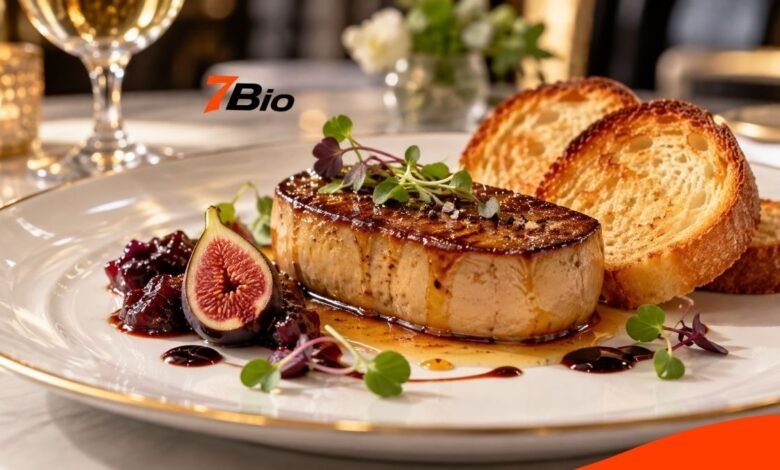
Searching for foie gras near me often means looking for a French restaurant, specialist delicatessen or food retailer that offers this traditional delicacy. However, finding genuine foie gras in the UK is not always straightforward. Restaurants may change their menus, specialist shops may carry limited stock, and products described as duck liver pâté aren’t necessarily the same.
Foie gras has a distinctive place in French gastronomy. Its smooth texture and rich flavor make it recognizable, but its traditional production methods have also sparked serious debate about animal welfare.
For UK readers, finding a suitable restaurant or retailer takes more than a quick search. Understanding product descriptions, confirming availability, reviewing food hygiene standards, and asking about sourcing can help you make a more informed decision.
What Is Foie Gras?
Foie gras is a French term meaning fatty liver. It refers to a food product made from the enlarged liver of a duck or goose. Traditionally, this enlargement is achieved through a force-feeding process known as gavage.
The product is closely associated with French cuisine and appears in several preparations, including whole-liver dishes, terrines, blocks and other specialist preparations.
Unlike ordinary poultry liver, traditional foie gras has a particularly high fat content. This contributes to its soft consistency and rich mouthfeel.
It may be served cold as a terrine or pâté-style preparation, or prepared hot as a seared portion. These presentations differ in texture, ingredients, and preparation.
Although foie gras is widely associated with luxury dining, it shouldn’t be confused with any dish containing duck or goose liver. The specific product description matters.
Where Can You Find Foie Gras Near Me in the UK?
The best starting point depends on whether you want to eat at a restaurant or buy a product to take home.
French Restaurants and Fine-Dining Establishments
Restaurants specializing in French cuisine are a logical place to start. Some establishments may include foie gras as a starter, as part of a tasting menu or alongside another dish.
However, a restaurant’s French identity does not guarantee that it serves foie gras. Some chefs and restaurant groups avoid the ingredient because of animal-welfare concerns.
Search using your town or postcode, review the restaurant’s current menu and contact the establishment before traveling.
If a listing shows the dish on an old menu photograph, do not assume it remains available.
Specialist Delicatessens
Independent delicatessens and specialist food shops may carry imported French products, including different varieties of foie gras.
These businesses can help customers seeking packaged products rather than restaurant dishes.
When contacting a retailer, ask whether it sells whole foie gras, a prepared terrine, a block, or a blended product containing a smaller proportion of foie gras.
A product labeled simply as liver pâté may contain ordinary poultry liver rather than traditional foie gras.
Gourmet Food Retailers and Online Shops
Some specialist online retailers supply imported foie gras or prepared products to UK customers.
Online shopping can expand the selection, especially where local delicatessens don’t stock the ingredient.
Before ordering, check the product ingredients, delivery coverage, storage requirements and whether the item is chilled, frozen or shelf-stable.
For refrigerated products, the delivery method matters most. A retailer should provide suitable handling and storage instructions.
Check online availability right before purchase because stock and delivery arrangements can change.
How to Find a Suitable Local Supplier
A local search is most useful when it is specific. Searching only for the product may return retailers in distant cities or old restaurant menus.
A more reliable approach involves a few practical checks.
- Add your location. Search for foie gras alongside your city, neighborhood, or postcode.
- Choose the right business type. Look for restaurants if you want a prepared dish, or delicatessens if you want a packaged product.
- Inspect current listings. Check recent menus, official business pages and product descriptions.
- Confirm availability. Telephone or message the business to ask whether the exact product is currently available.
- Check suitability. Review the ingredients, serving format, sourcing information and food hygiene record before deciding.
For example, someone in Manchester searching for a restaurant meal would benefit from different results than someone in the same city looking for a packaged terrine.
The nearest listing isn’t necessarily the best option—product authenticity, preparation, and the business’s reliability matter more than proximity alone.
Understanding Different Foie Gras Products
One of the most useful things to know before shopping is that not all foie gras products are identical.
French product descriptions distinguish whole-liver preparations from reconstituted and mixed preparations. These distinctions can help explain why two products with similar names may offer different experiences.
| Product type | What it generally means | What to check |
|---|---|---|
| Foie gras entier | A preparation using a whole liver or liver lobes with seasoning | Species, origin and preparation |
| Foie gras | Pieces of fattened duck or goose liver brought together | Ingredients and storage |
| Bloc de foie gras | A reconstituted preparation made from foie gras | Product composition and labelling |
| Foie gras terrine | Foie gras prepared and presented in terrine form | Whether it is made from whole liver or a blended mixture |
| Ordinary duck liver pâté | A spread made from duck liver, which may not contain foie gras | The exact ingredients and percentage of foie gras, if any |
These terms describe different preparations rather than providing a universal measure of taste or animal welfare.
When comparing products, read the full label rather than relying on packaging photos or broad marketing claims.
Is Foie Gras Legal in the UK?
The legal position is particularly relevant to anyone searching for foie gras in Britain.
The UK prohibits producing foie gras through force-feeding under existing animal-welfare legislation. The UK government reaffirmed this position in a parliamentary answer dated 4 September 2026.
However, the prohibition on domestic force-fed production differs from a general ban on imported products.
As of October 2026, the UK can still sell imported foie gras, subject to applicable food and import requirements. The government has continued considering the animal-welfare issues associated with imported foie gras.
This distinction explains why a UK retailer can offer a product even though the traditional production method would not be permitted domestically.
Legal rules and government policies may change, so businesses and consumers should check current official guidance whenever this distinction matters.
Animal Welfare and Ethical Considerations
The main controversy surrounding traditional foie gras concerns the force-feeding of ducks and geese.
Animal-welfare organizations, including the RSPCA, have raised concerns about the physical effects of force-feeding, handling stress, possible injury, and restrictions on natural behavior.
The production method remains contentious despite the product’s established culinary history.
Anyone interested in purchasing foie gras may wish to ask the supplier about its production process and country of origin. General descriptions such as “premium”, “artisan” or “traditional” do not establish higher welfare standards.
Products advertised as force-feeding-free alternatives also require careful examination. Their ingredients and production methods may differ significantly from conventional foie gras.
Readers who prefer not to support traditional production have several alternatives.
How Much Does Foie Gras Cost?
Foie gras is commonly positioned as a premium food, but no single reliable UK price applies to every restaurant or retailer.
The price depends on the product type, portion size, origin, preparation, packaging, and retailer.
A small packaged pâté containing some foie gras cannot be compared directly with a whole-liver preparation. Similarly, a restaurant starter’s price includes preparation and service, not just the ingredient.
When comparing prices, consider the following:
- Whether the product contains whole foie gras or a mixture
- The net weight of a retail product
- Whether the item is ready to eat or requires preparation
- Restaurant portion sizes and additional charges
- Refrigerated delivery costs and storage requirements
For retail products, comparing the price per 100 grams is often more informative than comparing the package price alone.
Restaurant pricing should be checked against the current menu rather than an old review or search snippet.
What Should You Check Before Eating or Buying Foie Gras?
Choosing a supplier involves food quality, accurate labeling and safe handling.
Check Food Hygiene Records
The UK’s official food hygiene information service allows consumers to search for food businesses by name or location.
In England, Wales and Northern Ireland, businesses covered by the Food Hygiene Rating Scheme are generally rated on a scale from zero to five, with five representing very good hygiene standards.
Scotland uses a different inspection outcome system.
A hygiene rating indicates how a business met food safety requirements at inspection. It does not prove that a particular dish is authentic or responsibly sourced.
Read Ingredients and Storage Instructions
Packaged products may contain additional ingredients, including seasonings and other animal-derived components.
People with allergies, religious dietary requirements, or other restrictions should check the full ingredients list and ask suppliers questions when necessary.
Transport and store cold products according to the manufacturer’s instructions. Check the use-by date and any guidance about consumption after opening.
Consider Health and Dietary Guidance
Foie gras is a liver product. This matters particularly during pregnancy.
The NHS advises pregnant people to avoid liver and liver products because they can contain high levels of vitamin A, which may harm an unborn baby’s development.
If you receive individual dietary advice, follow the guidance of your qualified healthcare professional.
Alternatives to Traditional Foie Gras
People looking for a similar type of starter without conventional foie gras have several options.
Mushroom and walnut pâté offers a rich, savory spread that works well on toast. It has a different flavor from liver but offers a similar serving format.
Lentil and mushroom terrine is another plant-based option. Its ingredients can be adjusted to create a smooth or more textured preparation.
Ordinary chicken or duck liver parfait can provide a creamy liver-based dish, although it remains an animal product and does not automatically resolve every welfare concern.
Some specialist producers also market products intended to resemble foie gras without traditional force-feeding. Assess their methods and ingredients individually, rather than assuming all products labeled “ethical” follow the same standards.
For customers primarily concerned about animal welfare, plant-based pâtés eliminate the need for duck or goose liver.
Common Mistakes When Searching Locally
The first mistake is assuming that every search result showing foie gras reflects current availability. Menus can change, and a dish mentioned in a review may no longer be offered.
Another mistake is treating ordinary duck liver pâté and traditional foie gras as interchangeable. The products can differ substantially in ingredients, fat content, and preparation.
A third mistake is comparing retail prices without checking product weight and composition.
Finally, searching without considering animal-welfare practices, food hygiene, or dietary requirements can leave important questions unanswered.
A good local-search result should help answer not just where something is sold, but exactly what is being offered.
Final Takeaway
Finding foie gras near me requires a little more investigation than searching for an ordinary restaurant dish. French restaurants, specialist delicatessens and gourmet retailers are useful places to begin, but availability must be confirmed directly.
The most informed choice involves understanding product labels, checking current prices and food hygiene information, and considering the animal-welfare issues surrounding traditional production.
Readers who prefer to avoid conventional foie gras can choose plant-based pâtés and other carefully selected alternatives for a different but satisfying option.
FAQs
1. Where can I buy foie gras near me in the UK?
Specialist French food retailers, gourmet delicatessens and some online food shops may offer imported foie gras. Search using your town or postcode and confirm current stock directly with the business.
2. Is foie gras legal to buy in the UK?
As of October 2026, imported foie gras can still be sold in the UK, although force-feeding is prohibited domestically. Check current official guidance for future regulatory changes.
3. Can I find foie gras in ordinary supermarkets?
Availability varies by retailer and location. Specialist delicatessens and gourmet food suppliers are more relevant places to check. Always confirm stock rather than assuming a supermarket carries it.
4. Is duck liver pâté the same as foie gras?
No. Ordinary duck liver pâté can be made from liver that has not undergone the traditional fattening process used for foie gras. Always read the product description and ingredients.
5. What can I eat instead of traditional foie gras?
Options include mushroom and walnut pâté, lentil terrine, and some specially developed foie gras alternatives. Ordinary poultry liver parfait is another option, but it isn’t plant-based.