
Vegg List: A Practical Guide to Vegetables, Portions, and Meal Planning
A simple UK-friendly reference for choosing, organising and using vegetables for shopping, cooking and everyday meal planning.

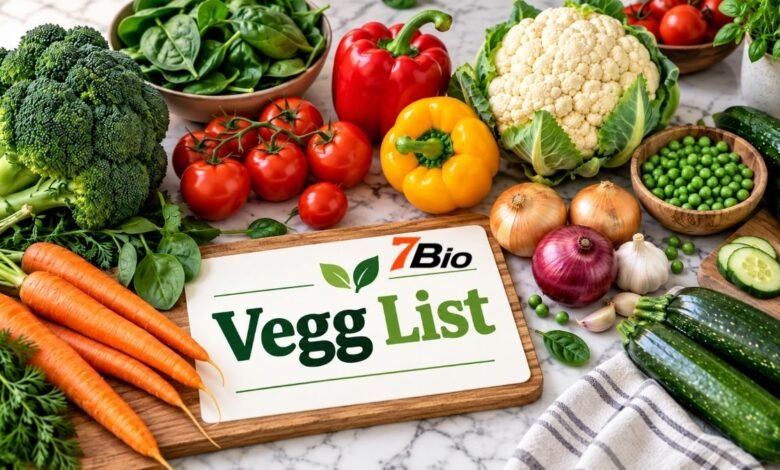
A Vegg List is best understood as an informal name for an organized list of vegetables used for grocery shopping, meal preparation, or simply discovering more produce to eat. Current pages using the term generally treat it as shorthand for a vegetable list rather than a formal nutritional or botanical classification.
A useful list does more than list dozens of vegetable names. It groups foods in a way that makes them easier to buy and cook, while helping you avoid purchasing produce without a plan.
For UK readers, vegetables also form an important part of the Eatwell Guide. Government guidance recommends eating at least five portions of a variety of fruit and vegetables each day, with an adult portion generally defined as around 80g.
Quick Answer
A Vegg List is a practical vegetable reference or shopping checklist. It can contain leafy greens, roots, cruciferous vegetables, alliums, squash, culinary fruit vegetables, and other produce organized according to how you intend to shop, cook, or plan meals.
What Is a Vegg List?
No official dietary system is called the “Vegg List.” The phrase informally describes a vegetable list.
That distinction matters because a vegetable list can serve several different purposes. One person may want a master reference containing dozens of vegetables. Another might use a short weekly list attached to a meal plan. A gardener could use a similar list to organize what to grow.
For everyday households, the most useful approach is usually to organize vegetables into recognizable groups and then select what you genuinely expect to use.
Practical Vegg List by Vegetable Type
| Vegetable group | Common examples | Useful for |
|---|---|---|
| Leafy greens | Spinach, kale, lettuce, Swiss chard | Salads, soups, stir-fries and cooked sides |
| Cruciferous vegetables | Broccoli, cauliflower, cabbage, Brussels sprouts | Roasting, steaming, curries and stir-fries |
| Root vegetables | Carrots, beetroot, parsnips, radishes | Roasting, soups, salads and side dishes |
| Alliums | Onion, garlic, leek, spring onion | Sauces, soups, curries and flavour bases |
| Culinary fruit vegetables | Tomato, pepper, cucumber, aubergine, courgette | Salads, sauces, grilling and roasting |
| Pod vegetables | Peas, green beans | Side dishes, rice dishes, stews and salads |
| Squash and gourds | Butternut squash, pumpkin, marrow | Soups, curries, roasting and baking |
| Starchy vegetables | Potatoes, sweet potatoes | Baking, boiling, roasting and main-meal carbohydrates |
| Other common choices | Celery, asparagus, fennel, mushrooms | Soups, salads, roasting and mixed dishes |
This is a culinary organization rather than a strict botanical one. Tomatoes, peppers, cucumbers and aubergines, for example, develop from flowers and are botanically fruits, but they are commonly treated as vegetables in cooking.
Mushrooms are fungi rather than plants, yet they are also routinely included in vegetable shopping and cooking lists because of the role they play in savory meals.
How a Vegg List Fits With the UK’s 5 A Day Guidance
A vegetable checklist can help with variety, but it should not be treated as a medical diet plan.
The NHS recommends at least five portions of a variety of fruit and vegetables each day. For adults, one portion of fresh, frozen or canned fruit or vegetables is generally about 80g.
Fresh produce is not the only option. Frozen and canned vegetables also count towards 5 A Day. For canned products, NHS guidance recommends choosing vegetables in water without added salt or sugar where possible.
Do Potatoes Count Towards 5 A Day?
Ordinary potatoes do not count towards the UK’s 5 A Day total. Nutritionally, they are treated as a starchy food because people commonly eat them in place of foods such as bread, rice or pasta. The same NHS guidance also excludes yams, cassava and plantain from the 5 A Day vegetable count.
That doesn’t mean you should exclude potatoes from your shopping list. It simply means their nutritional role is different from vegetables that count towards the fruit-and-vegetable recommendation.
What About Beans and Pulses?
Beans, lentils and chickpeas can contribute to 5 A Day, but no matter how much you eat, they count as a maximum of one portion per day under NHS guidance. They also provide protein and fiber in many meals.
How to Build a Weekly Vegg List
A long master list is useful for inspiration, but your weekly shopping list should be much shorter and based on meals you actually expect to prepare.
1. Check What You Already Have
Look through your fridge, freezer and cupboards first.
You may already have half a bag of carrots, frozen peas, onions or spinach that can become part of the week’s meals. Starting with what you already have reduces duplicate purchases.
2. Plan Several Meals Before Shopping
You do not need a detailed menu for every day. Even three or four planned meals can give your vegetable shopping some direction.
For example:
Stir-fry: broccoli, peppers, spring onions and mushrooms
Pasta sauce: tomatoes, onion, courgette and spinach
Roasted vegetable meal: carrots, cauliflower, peppers and butternut squash
Soup: leek, carrot, celery and cabbage
You can then use several ingredients across more than one meal.
3. Mix Different Types
Instead of buying five very similar vegetables, choose from several categories.
A simple weekly selection might contain:
- one or two leafy vegetables
- one cruciferous vegetable
- two root vegetables
- onions or another allium
- one or two vegetables suitable for salads
- frozen vegetables for convenient backup
This is a meal-planning example, not an official dietary formula. Adapt the quantities to your household size, eating habits, and budget.
4. Match Quantity to Your Real Routine
Buying more vegetables doesn’t automatically make a week healthier if you end up discarding much of it.
Think realistically about how many meals you cook at home, whether you take lunches to work, and how many people you are feeding.
Fresh, Frozen or Canned Vegetables?
A strong Vegg List does not need to consist entirely of fresh produce.
The NHS confirms that fresh, frozen and canned vegetables can all contribute towards 5 A Day.
Frozen broccoli, peas, spinach or mixed vegetables can therefore be useful when you want produce available without depending entirely on short-lived fresh ingredients.
Canned tomatoes, sweetcorn or other vegetables can also be practical pantry ingredients. Check the label and, where possible, choose options without unnecessary added salt or sugar.
Combining fresh and longer-lasting options can make a vegetable plan easier to maintain.
Use Your Vegg List to Reduce Unnecessary Waste
A shopping list works best when it connects directly with a meal plan.
Instead of writing:
Broccoli
Carrots
Courgettes
Spinach
Peppers
write:
Broccoli — Monday stir-fry
Carrots — soup and Wednesday tray bake
Courgettes — pasta sauce
Spinach — pasta and omelet
Peppers — stir-fry and salad
Now every purchase has a planned use.
Correct storage also matters. WRAP’s food-saving guidance advises keeping the refrigerator at 5°C or below and paying attention to foods that need to be used before they deteriorate.
Always follow the storage instructions provided on the product or packaging, since different vegetables have different requirements.
Common Veg List Mistakes
Treating It as a Ranking of the “Healthiest” Vegetables
You don’t need to turn vegetables into a competition.
UK guidance emphasizes variety because different fruits and vegetables provide different combinations of fiber, vitamins, and minerals.
Buying Produce Without a Meal in Mind
An impressive shopping basket can quickly become waste if you don’t have a realistic plan for cooking it.
Connect each short-life vegetable with at least one meal before buying it.
Assuming Frozen Vegetables Do Not Count
Frozen vegetables can count towards 5 A Day just like fresh vegetables.
They can also provide a useful fallback when fresh produce runs out.
Confusing Culinary and Botanical Categories
A tomato may be a botanical fruit while functioning as a vegetable in cooking. Your list does not need to solve botanical classification problems; it needs to help you shop and prepare food.
Forgetting the Freezer and Cupboard
A useful vegetable plan can include fresh produce alongside frozen and canned options. This often makes meal preparation more flexible.
A Simple Reusable Veg List Template
Leafy greens: ____________________
Cruciferous vegetables: ____________________
Root vegetables: ____________________
Onions, garlic or leeks: ____________________
Salad vegetables: ____________________
Vegetables for roasting: ____________________
Frozen vegetables: ____________________
Canned vegetables: ____________________
Meals planned: ____________________
Vegetables already at home: ____________________
This format gives you enough structure to shop intentionally without turning a basic grocery list into a complicated diet system.
FAQs
What does Vegg List mean?
Vegg List is an informal term commonly used online for a vegetable list or organized vegetable shopping guide. It is not an official nutrition program or recognized botanical classification.
How many vegetables should I put on my weekly list?
There is no official number. Choose enough variety for the meals you plan to cook without buying more fresh produce than your household is likely to use.
Do frozen vegetables count towards 5 A Day?
Yes. NHS guidance states that fresh, frozen and canned vegetables can count towards your 5 A Day.
Do potatoes count as one of your 5 A Day?
No. In UK dietary guidance, potatoes are classified nutritionally as a starchy food and do not count towards the 5 A Day total.
Are tomatoes vegetables?
Botanically, tomatoes are fruits. In culinary use, however, they are commonly treated as vegetables, so including them on a practical vegetable shopping list makes sense.
Can beans be included on a Vegg List?
Yes. Beans and pulses can be included, particularly for soups, curries, salads and other meals. Under NHS 5 A Day guidance, beans and pulses count as a maximum of one portion per day regardless of how much you eat.
Final Takeaway
A Vegg List works best as a practical planning tool rather than a rigid health formula. Organize vegetables into useful categories, check what you already have, link purchases to planned meals, and combine fresh produce with frozen or canned alternatives when convenient.
For UK readers, the broader goal remains straightforward: include a variety of fruit and vegetables regularly and work towards the government’s recommendation of at least five portions a day.
A simple list that you genuinely use is more valuable than an enormous catalog of vegetables that never makes it into your meals.