
SpareRoom NYC: Best Guide to Finding Affordable Rooms and Roommates
Discover how SpareRoom works in New York City, compare room rental costs, understand contact options, and learn what to check before moving into a shared apartment.

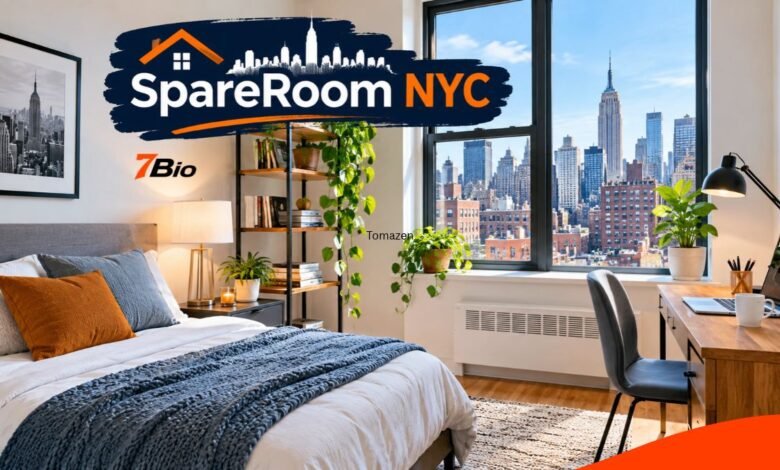
Finding a place to live in New York City can be challenging, especially on a limited budget or when moving to an unfamiliar neighborhood. Renting an entire apartment isn’t always practical, so shared accommodation is an attractive option for students, young professionals, and people relocating for work.
SpareRoom NYC is a room rental and roommate-finding service that helps people discover available bedrooms, connect with potential housemates and advertise rooms in shared properties. Rather than concentrating exclusively on entire apartments, the platform makes individual rooms and shared living arrangements easier to explore.
However, finding a suitable home involves more than choosing an appealing photograph or affordable monthly rent. Location, household compatibility, rental agreements, and safety all deserve careful attention.
This guide explains how SpareRoom works, what New York room rentals may cost, and how to evaluate opportunities before committing.
What Is SpareRoom NYC?
SpareRoom NYC refers to the New York City listings and roommate-search services offered through SpareRoom, an established online platform for shared accommodation.
The website connects people looking for somewhere to live with individuals advertising available rooms. It also allows prospective roommates to publish profiles explaining their accommodation preferences.
Unlike a conventional apartment-search service that focuses mainly on entire properties, SpareRoom emphasizes shared homes and individual room availability.
Users may encounter advertisements from existing tenants, landlords, property managers or people looking to form a new household.
The platform operates as a listing and communication service rather than a traditional rental brokerage. It does not personally guarantee that every advertiser, room or agreement will meet a prospective renter’s expectations.
For that reason, independent verification remains essential.
How Does SpareRoom NYC Work?
SpareRoom brings room seekers and advertisers together through searchable listings, personal profiles, and direct communication tools.
Searching for Available Rooms
Visitors can browse rental advertisements without creating an account. Registration is required to contact users or post ads.
The platform offers search tools to narrow results by factors such as location, rental budget, and room preferences.
When evaluating a listing, renters should look beyond the headline price and review its description, photographs, and accommodation requirements.
Useful details include the move-in date, whether furniture is provided, the number of existing occupants and any additional household expenses.
Creating a Room Wanted Advertisement
People who cannot immediately find a suitable room can publish a Room Wanted advertisement.
This gives potential advertisers a chance to find them instead.
A useful profile explains the preferred location, approximate budget, intended move-in date, and everyday living preferences.
For example, someone who works remotely might mention needing a relatively quiet environment during working hours.
Sharing relevant information helps both parties decide whether further discussion is worthwhile.
Contacting Advertisers
SpareRoom provides an internal messaging system so users can communicate without immediately revealing their personal email addresses.
A first message should introduce the prospective renter, confirm availability, and ask a few relevant questions.
Personalized messages are generally more informative than sending the same generic inquiry to every listing.
Is SpareRoom NYC Free to Use?
Yes. SpareRoom offers free registration, searching and advertising, although some messaging options require an upgrade.
According to the platform’s published contact rules, free users can contact Bold Ads and standard advertisements more than seven days old.
Newer standard advertisements can be contacted immediately through the optional Early Bird upgrade.
This distinction matters because seeing a room advertised does not necessarily mean a free account can contact its advertiser immediately.
Free Access Versus Early Bird
| Feature | Free Access | Early Bird Upgrade |
|---|---|---|
| Browse room listings | Yes | Yes |
| Create an account | Yes | Yes |
| Post a standard advertisement | Yes | Yes |
| Contact Bold Ads | Yes | Yes |
| Contact ordinary ads over seven days old | Yes | Yes |
| Contact newer ordinary ads immediately | No | Yes |
| Subscription or upgrade cost | None required | Paid upgrade |
An upgrade may be worth considering when someone needs accommodation quickly and finds several newly advertised rooms of interest.
People with more flexible moving dates may prefer to start with the free features.
Always check upgrade prices and terms directly before purchasing.
How Much Does a Room Cost in New York City?
Room rental prices vary significantly by borough and neighborhood. Property condition, transport connections, room size, furniture, and household facilities can also influence the advertised price.
SpareRoom’s Q3 2026 rental research provides a useful comparison of asking rents across four New York City boroughs.
Average Advertised Room Rents in Q3 2026
| Borough | Average Monthly Asking Rent | Annual Change |
|---|---|---|
| Manhattan | $1,903 | +6.5% |
| Brooklyn | $1,468 | +2.7% |
| Queens | $1,271 | +3.2% |
| The Bronx | $1,162 | −0.8% |
These figures come from SpareRoom’s quarterly analysis of advertised room rents, rather than completed tenancy contracts. They describe the platform’s sample and should not be treated as universal market prices.
Staten Island was excluded from the borough comparison because the available sample was too small.
What the Numbers Mean for Renters
Manhattan had the highest average asking rent among the four boroughs included in the report. The Bronx had the lowest.
The difference between those averages illustrates why expanding a room search beyond a single neighborhood may be worthwhile.
However, lower rent does not automatically mean better overall value.
A room farther from work or university could add transport costs and longer daily journeys.
The practical choice is often the property that balances rent, commute, safety, comfort, and compatibility with your household.
Where Should You Look for Rooms in NYC?
New York City offers different living experiences across its boroughs. Where you search should depend on your priorities, not reputation alone.
Manhattan
Manhattan can appeal to renters who want convenient access to major employment centers, universities, entertainment, and public transport connections.
Its relatively high average room rents mean renters may need flexibility on property size or neighborhood.
Prospective renters should compare actual journey times rather than assuming every Manhattan address is conveniently located.
Brooklyn
Brooklyn offers numerous residential neighborhoods with different atmospheres and transport connections.
Areas such as Williamsburg, Bushwick, Bedford-Stuyvesant and Crown Heights may attract people interested in shared housing, although their individual rental conditions differ.
The most suitable neighborhood depends on budget, transport needs, and household preferences.
Queens
Queens deserves consideration for renters who want to compare shared accommodation beyond Manhattan and Brooklyn.
Neighborhoods such as Astoria, Sunnyside, and Jackson Heights offer distinct residential settings and access to different transport routes.
Anyone considering Queens should research the apartment’s exact location and its connection to their regular destinations.
The Bronx
The Bronx recorded the lowest average room asking rent among the boroughs covered by SpareRoom’s Q3 2026 research.
That does not mean every neighborhood or individual room is inexpensive.
Availability, accommodation quality, and commuting requirements remain important.
Renters should evaluate specific addresses rather than making decisions based solely on borough-wide averages.
How to Find a Suitable Roommate
A good shared apartment is not simply an affordable property. The people living there can strongly influence everyday comfort.
Before agreeing to move in, prospective roommates should discuss practical expectations.
Household Schedules
Different work and study schedules can affect noise, privacy, and access to shared facilities.
Someone working night shifts may have different needs than someone who starts work early each morning.
Discussing these arrangements in advance can prevent misunderstandings.
Cleanliness and Shared Responsibilities
Housemates may have different expectations about kitchen cleaning, rubbish disposal and bathroom maintenance.
It is useful to establish whether household tasks follow a schedule or are handled informally.
Guests and Personal Space
Visitors, overnight guests and shared social activities can become sources of disagreement.
Agreeing on reasonable boundaries before moving in clarifies household expectations.
Financial Responsibilities
Rent payments, utility bills, and shared purchases should be discussed explicitly.
A written explanation of how expenses are divided is more reliable than an informal assumption.
Important Rental Rules to Understand in NYC
Shared accommodation in New York involves legal considerations that should not be overlooked.
The Right to Have a Roommate
New York’s Roommate Law, contained in Real Property Law Section 235-f, generally protects a tenant’s ability to share an apartment under specified conditions.
For example, when one tenant is named on a lease, that person may generally share the home with immediate family, one additional occupant, and that occupant’s dependent children, provided the primary-residence requirement is satisfied.
Occupancy limits and other legal conditions still apply.
Importantly, a roommate who is not named on the lease does not automatically have the same rights as a leaseholder.
Security Deposits
New York generally limits residential tenancy security deposits to one month’s rent.
However, shared accommodation can involve different contractual relationships. Renters should identify who receives the deposit, who holds it, and which legal rules govern the arrangement.
A written receipt and clear terms for returning the deposit are valuable safeguards.
Broker Fees
New York City’s Fairness in Apartment Rental Expenses Act took effect on June 11, 2025.
It generally prevents brokers representing landlords from charging prospective tenants brokerage fees. It also requires relevant rental fees to be disclosed.
Renters who independently choose to hire their own broker may still face permitted brokerage charges.
The rules should not be assumed to apply identically to every informal roommate or subletting arrangement.
For complicated tenancy questions, official housing guidance or qualified legal assistance is preferable to relying on an advertisement.
How to Avoid Rental Scams on SpareRoom NYC
SpareRoom reviews advertisements and operates fraud-prevention systems, but no online listing service can remove every potential risk.
Rental scams can involve stolen photographs, misleading descriptions, fake property representatives, or demands for money before a viewing.
Warning Signs to Recognize
Be cautious when an advertiser:
- Demands a deposit before allowing a property viewing.
- Refuses to confirm they have the authority to rent the room.
- Provides inconsistent information about the address.
- Pressures you to decide without reviewing an agreement.
- Requests payment through difficult-to-reverse methods.
- Offers an unusually low price without a convincing explanation.
These signs do not prove fraud on their own, but they justify further investigation.
Verify the Property Before Paying
Whenever possible, arrange an in-person viewing.
Confirm that the advertised room exists, inspect shared facilities, and ask who owns or legally controls the property.
If an in-person viewing isn’t possible, consider arranging for a trusted local representative to inspect it independently.
Compare the address and photographs with other publicly available property information.
Do not send money merely because an advertisement appears professional.
Keep Records
Save relevant messages, payment receipts and copies of agreements.
When something seems suspicious, use SpareRoom’s reporting facilities and consider contacting the appropriate consumer protection authority.
Questions to Ask Before Moving Into a Shared Apartment
A structured conversation can reveal practical issues that photographs and short descriptions overlook.
Question Why It Matters
Is the monthly rent inclusive of utilities? Helps establish the full housing cost
Who is named on the main lease? Clarifies the legal arrangement
How long is the rental term? Identifies the expected commitment
Is the bedroom private and secure? Helps assess privacy and suitability
How many people share the bathroom? Indicates everyday convenience
What notice is required before moving out? Helps avoid unexpected obligations
Are guests and pets permitted? Clarifies household expectations
Who receives and returns the deposit? Establishes financial accountability
Renters should also ask about heating, internet access, laundry facilities, and maintenance responsibilities.
A clear agreement is preferable to relying on verbal promises.
Advantages and Limitations of SpareRoom NYC
SpareRoom offers practical benefits, but it should be viewed as one resource within a broader accommodation search.
Main Advantages
The platform is specifically organized around room rentals and shared households.
Users can search advertisements, publish their accommodation requirements, and communicate directly with other members.
Many activities are free, so you can start searching without buying an upgrade.
Its roommate-focused format may also help users consider household compatibility rather than focusing exclusively on property features.
Possible Limitations
Advertisements can become unavailable before they are removed.
Not every advertiser responds to inquiries, and access to certain newly posted advertisements requires an upgrade.
Photographs and descriptions may not fully represent the property’s actual condition.
The platform is also not a substitute for legal checks, property inspections, or careful evaluation of prospective housemates.
These limitations make independent decision-making essential.
FAQs
Is SpareRoom NYC a legitimate website?
SpareRoom is an established room-listing and roommate-finding platform operating in the United States. However, using an established platform does not guarantee the legitimacy of every individual advertisement. Users should verify properties and advertisers independently.
Can international students use SpareRoom NYC?
International students can browse the platform for rooms and shared accommodation. Individual landlords or households may request documents, proof of funds, or other information, so confirm eligibility and rental requirements before making commitments.
Can I find furnished rooms on SpareRoom?
Yes, furnished rooms appear among the platform’s listings. Furniture arrangements vary, so renters should confirm exactly what’s included.
Do I need to pay to message landlords?
Not always. Free members can contact Bold Ads and ordinary advertisements older than seven days. Immediate contact with newer ordinary advertisements generally requires Early Bird access.
Is SpareRoom suitable for short-term rentals?
Some advertisements may offer temporary accommodation or sublets. Availability and minimum rental periods vary, and prospective renters should check that the proposed arrangement is lawful and properly authorized.
Does SpareRoom guarantee a safe roommate?
No. The platform applies safety measures, but it does not personally guarantee that every roommate or advertiser is suitable. Meeting prospective housemates, checking accommodation details, and establishing written expectations remain important.
Final Takeaway
SpareRoom NYC can be a useful starting point for finding rooms and roommates in New York City, particularly for people who prefer shared accommodation to renting an entire apartment.
Its searchable listings, Room Wanted advertisements, and messaging tools help users explore different housing opportunities.
The strongest approach combines realistic budgeting, neighborhood comparisons, honest conversations with potential housemates, and careful verification of rental arrangements.
Whether searching in Manhattan, Brooklyn, Queens or the Bronx, choosing the right room means considering more than the advertised price.
A suitable home should offer manageable costs, reasonable commuting options, clear rental terms, and a household environment where everyone can live comfortably.