MentorJi: A Complete Guide to Online Courses, Mock Tests and Exam Preparation
Discover how this Indian education platform supports students preparing for competitive examinations, school subjects, and independent study.

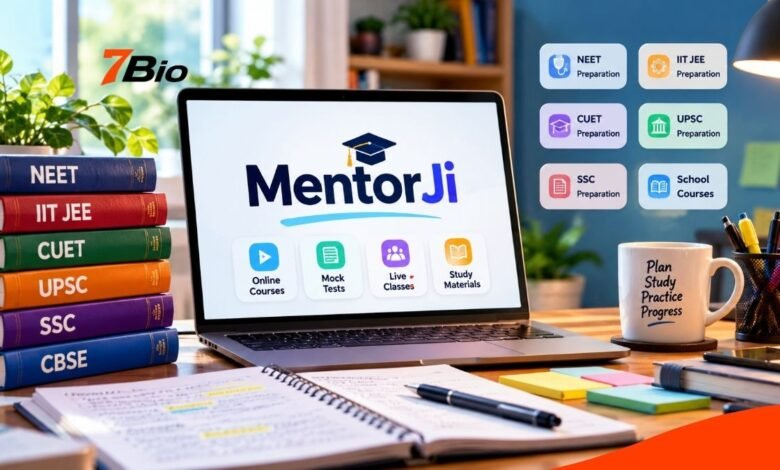
MentorJi is an India-based online education platform offering learning resources for school students and competitive exam aspirants. Its educational catalog includes online courses, mock tests, previous-year exam questions, and subject-specific study materials. The platform covers several exam categories, including NEET, IIT JEE, CUET, UPSC, and SSC, along with school-level learning.
For students managing multiple subjects and demanding exam schedules, organized educational resources can make preparation easier. Online learning platforms offer an alternative to relying entirely on classroom coaching, particularly when learners need flexible revision materials or opportunities to practice independently.
However, selecting an educational platform involves more than looking at its course catalog. Students should understand the available teaching methods, access conditions, pricing, and relevance of the material before committing their time.
This guide examines what the service offers, how it organizes its main learning resources, who may benefit from them, and what students should verify before enrolling.
What Is MentorJi?
MentorJi is an educational technology platform that brings different learning and exam-preparation resources into one online environment. Its stated mission is to make education accessible and affordable for students from different financial backgrounds.
Founded in 2023, the company is based in Hapur, Uttar Pradesh, India. Business directory information identifies Mohit Chaprana as its founder.
Unlike an educational website focused on a single subject, the platform lists resources across school education and several competitive exam categories.
Its approach combines structured learning materials with practice-based resources. Students can explore subject courses, work through exam-style questions, and review materials relevant to their studies.
The availability of multiple resource types may appeal to learners who want to supplement their existing education rather than completely replace traditional tuition.
Main Educational Features
Online Courses and Subject-Based Learning
One of the platform’s central offerings is its catalog of educational courses. These are organized by exam category and academic subject, helping students find materials that match their learning objectives.
For school students, the catalog includes subjects such as mathematics, physics, chemistry, biology, English, and social science. Competitive examination candidates can also find courses aligned with their intended exams.
Some course descriptions advertise recorded lessons, learning resources, assignments and instructor support. However, these features are not necessarily included in every course.
A sensible approach is to read each course description rather than assume every enrolment provides the same benefits.
Live Classes and Recorded Lessons
Live teaching can help learners who value a structured timetable and direct instruction. Recorded lessons serve a different purpose: they let students revisit explanations and organize revision around other commitments.
The website includes course descriptions for live batches, with some listings noting access to recorded sessions afterward.
For example, a student who struggles with a particular physics concept may benefit from reviewing an explanation before attempting another set of questions.
Students should confirm whether a batch is currently active, whether recordings remain accessible, and how long access continues.
Mock Tests and Previous-Year Questions
Mock tests and previous-year questions are especially relevant for competitive exam preparation.
The platform lists practice resources for NEET, JEE, CUET, SSC, and UPSC preparation. These include examination-oriented question sets and subject-based practice tests.
A mock examination is most useful when it helps students identify why they make mistakes. Taking several tests without reviewing incorrect answers may offer less educational value than carefully analyzing one well-designed assessment.
Learners should therefore treat practice scores as feedback rather than final predictions of examination performance.
Student Discussion and Question Forums
The website also includes a forum section where users can browse discussions and post questions.
This allows students to explore common examination concerns, compare explanations, and find discussions about study-related problems.
Still, students should check information shared by other users carefully. Forum discussions may contain outdated advice, incomplete answers, or opinions that do not reflect official examination requirements.
Which Students May Benefit?
School Students
Students following the CBSE curriculum may find relevant subject resources in the platform’s school education categories.
The catalog includes material for Classes 9 to 12. These resources can help with additional revision, especially when students want to review a difficult topic outside regular school hours.
Online lessons should complement students’ current textbooks, school guidance, and prescribed syllabus.
Engineering and Medical Aspirants
Candidates preparing for IIT JEE or NEET often need sustained subject revision and practice solving examination-style questions.
A platform offering chemistry, physics, mathematics and biology resources may provide useful supplementary material.
However, aspirants should check that the lessons match the correct examination syllabus and preparation year. Older question sets can still support conceptual understanding, but they should not be mistaken for a complete guide to the current examination.
University Entrance and Government Examination Candidates
The catalog also includes resources for CUET, SSC, and UPSC.
These examinations differ considerably in structure, purpose and subject requirements. A preparation resource suitable for one exam may not suit another.
Students should compare available material with the latest official syllabus and examination notification before building their study plans.
How to Use the Platform Effectively
Students can approach the learning catalog through a straightforward process.
- Identify the examination or subject. Decide whether your immediate goal is school revision, entrance exam practice, or another academic requirement.
- Explore the relevant category. Find resources that match the subject and academic level.
- Examine the course details. Check the syllabus, instructor information, lesson format, access duration, and applicable conditions.
- Review the cost before enrolling. Confirm whether the material is free, discounted, or subject to payment.
- Create a realistic study routine. Combine lessons with revision, practice questions, and time to review mistakes.
Students using an online education service should also protect their account credentials and avoid sharing unnecessary personal information through public discussion areas.
Choosing Between Different Learning Resources
| Learning resource | Main purpose | What to check |
|---|---|---|
| Recorded lessons | Reviewing concepts independently | Topic coverage and access period |
| Live classes | Following scheduled teaching | Current batch dates and timetable |
| Mock tests | Practising examination questions | Syllabus relevance and explanations |
| Previous-year papers | Understanding past question patterns | Examination year and official changes |
| Discussion forums | Exploring questions and study concerns | Accuracy and credibility of answers |
The most suitable approach often combines different resources instead of depending entirely on one teaching method.
Is MentorJi Free or Paid?
Cost is a major consideration for students comparing digital education services.
The platform lists both free courses and paid prices for certain learning packages. It has also advertised a broader free-access offer using a promotional coupon.
These different messages mean catalog prices should not automatically be treated as the final amount payable.
An offer may apply only under certain conditions, and a course may remain visible even after its original enrolment period ends.
Before registering for a course, students should confirm the current price, coupon validity, access restrictions, and whether checkout requires payment.
A free educational resource can be valuable, but its usefulness still depends on accurate content, suitable teaching and relevant practice questions.
Important Limitations to Consider
Older Course Listings
One point worth checking is the date attached to course listings.
Some publicly visible course pages have referenced 2025 examination batches, even when accessed later. Their continued appearance does not prove that those classes are accepting new students or that their lessons reflect the latest syllabus.
Students preparing for a future examination should verify the batch year before enrolling.
Course Quality May Vary
A platform offering several teachers and subject categories may provide different learning experiences depending on the course selected.
Students should consider lesson clarity, syllabus coverage, explanatory depth, and the usefulness of practice materials.
Promotional statements, advertised enrolment numbers and platform-reported ratings should not be mistaken for independent proof of educational quality.
Online Learning Requires Personal Discipline
Recorded courses offer flexibility, but it can become a disadvantage when students don’t maintain a consistent learning routine.
A useful study plan should include realistic daily targets, regular revision, and opportunities to identify weak areas.
Online platforms work best when learners actively practice what they study rather than watch lessons.
MentorJi Compared With Traditional Coaching
Online learning and traditional classroom coaching each offer advantages.
Traditional coaching may provide a fixed timetable, classroom interaction and direct supervision. Online learning can offer greater flexibility and the convenience of revisiting digital material.
The right choice depends on a student’s circumstances.
Someone with a demanding school timetable might appreciate recorded lessons they can watch during available hours. Another student may benefit more from the structure of regular classroom teaching.
These methods are not necessarily competitors. Students may use an online platform as additional support alongside school or coaching-center lessons.
The key question is whether the educational resource addresses an actual learning need.
How to Get More Value From Online Exam Preparation
Build a Weekly Revision Plan
Instead of trying every available course, students should prioritize the subjects that need the most attention.
A weekly plan can divide study time among learning new concepts, revising previously covered topics, and attempting practice questions.
This planning makes it easier to spot areas where you need extra help.
Review Mistakes After Every Test
A disappointing practice score can provide useful information if you examine it carefully.
Students should distinguish between errors caused by missing subject knowledge, misunderstood questions, and poor time management.
Once the problem is identified, revision can become more focused.
Check Official Examination Information
Educational platforms are supplementary resources, not substitutes for the organizations that conduct examinations.
Always confirm important information, such as eligibility requirements, examination dates, syllabus changes, and application procedures, through the relevant official examination authority.
This is especially important when older educational materials remain accessible online.
FAQs
1. What is MentorJi used for?
It is an online education platform that offers courses, revision resources, and exam practice materials. Its catalog covers school-level subjects and several Indian competitive examinations.
2. Does the platform provide NEET and IIT JEE preparation?
Yes. Its published catalog includes materials for NEET and IIT JEE. Students should confirm that their chosen course matches the relevant examination year and current syllabus.
3. Can students access free learning resources?
The website lists free educational courses and advertises promotional free-access offers. Check current eligibility, coupon conditions, and availability before enrolment.
4. Are recorded lessons available?
Some published course descriptions mention recorded lessons or access to sessions after live teaching. The exact arrangements depend on the individual course and should be confirmed before joining.
5. Can school students use the platform?
Yes. The catalog includes subject-based resources associated with CBSE school education, including secondary and higher-secondary classes.
6. Is it enough to prepare for competitive examinations?
No single platform can guarantee exam success. Effective preparation depends on covering the syllabus, practicing consistently, understanding difficult concepts, and following official exam requirements. Online courses can support a broader study plan.
Final Takeaway
MentorJi brings together several forms of online educational support, including subject courses, exam practice resources, live-class listings, and discussion forums.
Its broad catalog may help school students and competitive exam candidates looking for additional ways to study. However, older batch listings and changing promotional offers make careful course selection especially important.
Students should focus on syllabus relevance, teaching quality, access conditions, and current pricing before enrolling. A well-chosen educational resource can make revision more organized, but meaningful progress ultimately depends on how consistently and thoughtfully it is used.