
Julerie: Beautiful Vintage & Pre-Loved Jewellery in Ghent
A fact-checked look at Julerie’s background, jewellery collections, product information and the details buyers should verify before purchasing.

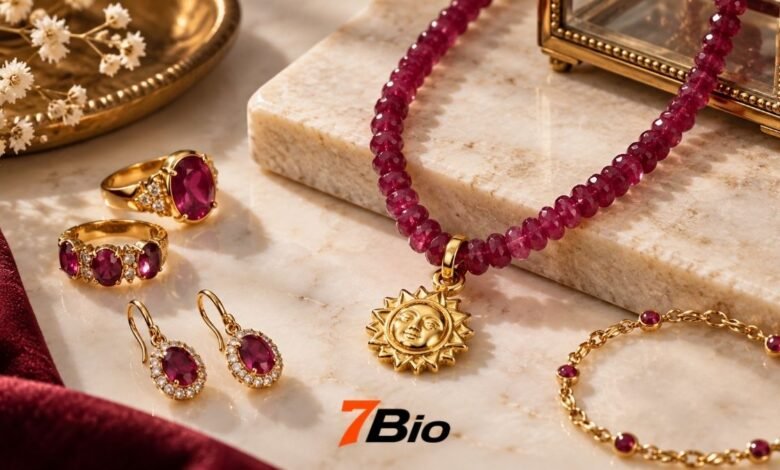
Julerie is a jewelry retailer based in Ghent, Belgium, specializing in a mixture of vintage, pre-loved, and modern fine jewelry. Its online catalog includes rings, necklaces, pendants, bracelets, and watches, alongside selected branded pieces and a separate Julerie Collection. The company also describes a family jewelry background extending across three generations.
That distinction matters because julerie can initially look like an alternative spelling of “jewelry”. Current search results, however, strongly associate the exact spelling with the Belgian retailer. Readers searching the term are therefore likely trying to understand the business, its products, its history, or whether a particular piece is worth considering.
This guide concentrates on what can actually be verified. It does not assume that seller descriptions independently prove authenticity, value or condition, and it does not treat on-site customer testimonials as independent reviews.
Quick Answer
Julerie is a Ghent-based jewelry business offering vintage, pre-loved and fine jewelry. Its website says the family’s jewelry history began in Ghent in 1976 and that third-generation jeweler Julie and her brother Christophe run the business. The shop also states that its vintage and pre-owned pieces are professionally checked and supplied with authenticity certificates.
What Is Julerie?
Julerie is best understood as a specialist jewelry retailer with a resale and vintage focus rather than a general jewelry marketplace.
The website divides its inventory into areas such as vintage rings, pre-loved rings, pre-loved diamond rings, pendants, necklaces, watches and bracelets. A separate collection carries the retailer’s name, while some listings feature jewelry or watches from established luxury brands.
Inventory can change substantially because vintage and pre-owned pieces are often individual items. During research in September 2026, the homepage showed both available and sold-out products, reinforcing the need to check the live listing rather than relying on an older search result or article.
The Family Background Behind Julerie
According to the retailer’s history page, Julie describes herself as a third-generation jeweler working with her brother Christophe.
The family story began with their grandmother, Suzanne, an antique-jewelry and gemstone enthusiast. The page says Suzanne opened a shop with her daughter in Ghent in 1976, initially displaying jewelry from her own collection. The family subsequently operated other jewelry shops in Flanders.
One qualification matters here: 1976 is presented as the beginning of the family’s jewelry story, not clearly as the launch date of the present Julerie brand. Articles should therefore avoid headlines such as “Julerie founded in 1976” unless stronger evidence specifically confirms that claim.
That distinction makes the history more accurate and avoids turning family heritage into an unsupported corporate founding date.
What Does Julerie Sell?
The current catalog is centered on fine jewelry rather than low-cost fashion accessories.
Vintage and Pre-Loved Jewelry
A substantial portion of the shop covers vintage and previously owned jewelry. Product pages can include information about the stated metal, gemstones, ring size, condition and collection.
Examples found during research included gold and diamond rings, gemstone pieces, bracelets, earrings and watches. Several listings use 18-carat gold, while individual products vary considerably in design and specification.
Branded Pieces
Some listings also feature pieces identified with luxury names such as Messika, Cartier and Hermès. That does not, by itself, establish that Julerie is an authorized dealer for those brands; it means the store lists pre-owned or branded pieces described as originating from them.
For buyers, that makes documentation especially important. Original packaging, hallmarks, reference numbers and seller certificates can all be useful, but anyone making a high-value purchase may reasonably want to understand exactly what has been independently verified.
The Julerie Collection
The website also has a dedicated Julerie Collection rather than dealing exclusively in resale stock. At the time of research, the collection included gemstone rings such as the “Anne” designs.
How Julerie Describes Its Authentication Process
Product pages repeatedly state that vintage and pre-loved pieces are cleaned or polished, professionally checked and supplied with an authenticity certificate.
That information is useful, but buyers should understand its source: it is a statement made by the retailer itself.
Before spending a significant amount, a sensible question is not simply, “Does the item have a certificate?” but:
| Check | Why It Matters |
|---|---|
| Who issued the certificate? | Helps establish whether it is seller-issued or from another specialist |
| What exactly is authenticated? | Brand, gemstone, metal purity and condition are different questions |
| Are hallmarks photographed clearly? | Useful when assessing precious-metal and branded pieces |
| Is gemstone information specific? | Natural, synthetic and treated stones can have different characteristics |
| Is the condition documented? | Vintage jewellery may show repair, polishing or wear |
| Can sizing or alterations be confirmed? | Particularly important for rings |
| What happens if the item differs from its description? | Return terms matter more on high-value purchases |
None of these checks implies that a product is problematic. They simply reduce uncertainty when purchasing jewellery remotely.
A Product-Detail Issue Buyers Should Notice
One current listing illustrates why reading the entire product page matters.
The page titled “The ‘Anne’ Aquamarine Ring” describes an oval-cut aquamarine in its text, yet a material field on the same page says “oval shape morganite.” Those are different gemstones.
This may be a copy or template error, but the discrepancy is meaningful enough that a prospective buyer should ask the seller to confirm the gemstone before ordering.
That is a more useful approach than assuming either description is automatically correct.
Where Is Julerie Located?
The retailer’s contact page lists:
Sint-Niklaasstraat 8, 9000 Gent, Belgium.
The same page gives a contact email and invites customers to ask about specific pieces, ring sizing, and resizing.
This physical-shop information may be particularly useful for buyers who prefer to inspect jewelry in person before making a higher-value purchase.
What Should You Check Before Buying?
A well-described product page is a starting point, not the whole buying decision.
First, compare the title, description, specification fields, and photographs. Details should agree on the metal, stone, size, condition, and brand. The aquamarine/morganite discrepancy above shows why this matters.
Second, ask about anything described approximately. A diamond weight stated as “approx.” should be treated as an approximation rather than an exact laboratory measurement unless supporting documentation establishes otherwise.
Third, check live availability. The site frequently carries one-off pieces, and many listings visible in search or category pages may later be marked sold out.
Fourth, confirm delivery and returns before paying. Product pages currently display delivery estimates for different regions, but terms can change, so check them directly at checkout or with the business before purchase.
Finally, for an expensive branded or gemstone item, consider whether the documentation supplied provides enough assurance for the amount you are spending.
Website Presentation: One Detail Worth Knowing
During this research, the Julerie homepage contained several placeholder entries labeled “Example title product” among genuine product listings.
This appears to be a website-content or template issue. It should not automatically be interpreted as evidence that the jewelry itself is inauthentic or that the business is illegitimate.
It does, however, reinforce a broader point: buyers should rely on the details of the specific item they are considering and clarify inconsistencies directly rather than assuming every website field has been perfectly maintained.
Is Julerie the Same as “Jewelry”?
No.
“Jewelry” is the standard British English word for decorative items such as rings, bracelets, and necklaces. Julerie, with this spelling, is being used as the name of the Ghent retailer discussed here.
That distinction explains why automatically correcting the search term would lead to the wrong article.
Who Is Julerie Most Relevant For?
The store likely appeals to shoppers who prefer pieces with an existing history rather than buying only newly manufactured jewelry.
Vintage and pre-owned shopping can also appeal to people looking for designs that are no longer widely produced, branded pieces on the resale market, or unusual gemstone settings.
The important trade-off is that individual items can differ in wear, sizing, documentation, and availability. Buyers therefore need to assess the specific piece, not merely the reputation or appearance of the overall store.
FAQs
Is Julerie a jewelry brand or a shop?
It is a Ghent-based jewelry business with vintage, pre-loved, and branded jewelry as well as a separate collection carrying the Julerie name.
Where is Julerie based?
Its official contact page lists Sint-Niklaasstraat 8, 9000 Gent, Belgium.
Does Julerie sell vintage jewelry?
Yes. Vintage and pre-loved jewelry are major sections of its website, including rings, bracelets, necklaces, pendants, and other pieces.
Does Julerie provide authenticity certificates?
The retailer states on multiple product pages that its vintage and pre-loved items are professionally checked and supplied with authenticity certificates. Buyers may still wish to ask who issued a certificate and exactly what it verifies.
Does Julerie sell luxury-brand jewelry?
Some current or historical listings identify pieces from brands including Cartier, Messika and Hermès. Availability changes because individual pre-owned products may sell out.
Is Julerie trustworthy?
There is enough first-party information to confirm the store’s stated location, catalog, and business story, but this research found much more first-party material than detailed independent reporting. It would therefore be inappropriate to give a blanket “trusted” verdict. Buyers should evaluate the documentation, condition, return terms and specific product details for the item they want.
Final Takeaway
Julerie is a real brand name, not simply a misspelling of jewelry. The Ghent retailer focuses strongly on vintage and pre-loved fine jewelry while also listing branded pieces and its own collection.
Its family history gives the business a distinctive story, but readers should distinguish the family’s stated 1976 jewelry heritage from the current brand’s founding date. Product pages provide substantial detail, yet occasional inconsistencies mean that high-value purchases deserve careful verification.
For someone considering a Julerie item, the best approach is straightforward: review the exact listing, verify gemstone and metal details, understand what any certificate confirms, clarify condition and sizing, and check current purchase terms before paying.