
Chaa: Meaning, Rich History and How to Make Authentic Tea at Home
Explore the meaning of chaa, its cultural roots, different tea-making traditions, and simple ways to prepare a flavourful cup at home.

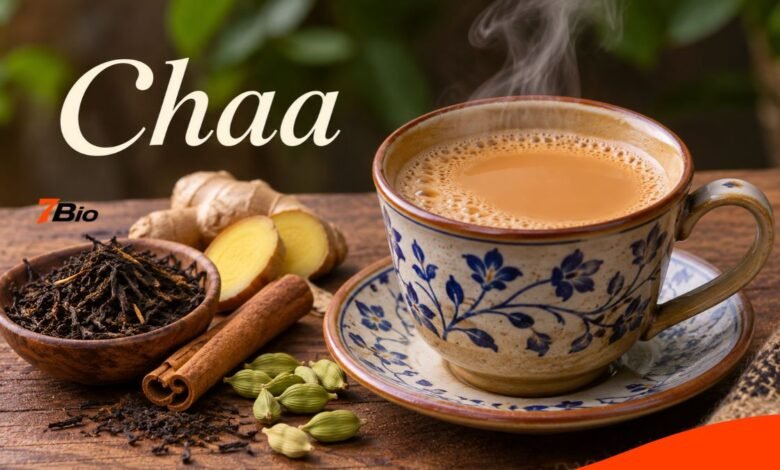
Chaa is a familiar word for tea in Punjabi and several South Asian linguistic traditions. Although it may sound different from the English word tea, its meaning is closely connected to one of the world’s most widely enjoyed beverages. Depending on the household, a cup of chaa might contain strong black tea, fresh milk, sugar and aromatic spices, or it might be prepared much more simply.
What makes this drink interesting is not just its flavor but also the role it plays in everyday life. Tea is served during family conversations, workplace breaks, celebrations and visits from friends. For many people, offering a warm cup is a natural gesture of hospitality.
Understanding chaa involves exploring its linguistic origins, traditional preparation methods, and cultural significance. It also helps explain why people use different names for tea and why recipes vary considerably between regions and families.
What Is Chaa?
Chaa means tea, particularly in Punjabi usage. It can refer to an ordinary cup of tea rather than one specific recipe or commercial product.
In many Punjabi households, the familiar preparation includes black tea brewed with water and milk. Sugar is often added according to personal preference. Some people also enjoy ginger, cardamom, or other spices, although these additions are not essential to the word’s meaning.
This distinction matters because chaa, chai and masala chai are related terms but do not always describe identical drinks.
Tea itself is generally made by infusing processed leaves from the Camellia sinensis plant in water. Different processing methods produce black, green, white and oolong teas. Herbal infusions, though often called teas, are usually made from other plants.
The familiar Punjabi-style milk tea is most commonly made with black tea, which develops a rich color and pronounced flavor during preparation.
The Meaning and Linguistic Origins of Chaa
How the Word Developed
The word’s history is connected to the wider movement of tea and language across Asia and Europe.
Several names used for tea around the world developed from Chinese linguistic forms, broadly represented by the cha and te families. The differences reflect historical routes of cultural contact and trade.
Words resembling cha, chai and chaa spread across different languages, while the form that eventually became the English word tea followed another linguistic route.
Historical records also contain early English spellings such as chaa and cha. These older forms show that the modern English word was not the only name used for the beverage when tea first appeared in European accounts.
Chaa, Chai and Cha: Understanding the Difference
The words share a linguistic relationship, but their everyday meanings depend on where and how they are used.
| Term | Common Meaning | Context |
|---|---|---|
| Chaa | Tea | Common Punjabi usage |
| Chai | Tea | Hindi, Urdu and several other languages |
| Masala chai | Spiced tea | Usually prepared with tea, milk and aromatic spices |
| Cha | Tea | Used in several Asian languages |
| Tea | Beverage made from tea leaves | Standard modern English |
In the United Kingdom, the word chai frequently appears on café menus to describe spiced milk tea. In many South Asian languages, however, chai means tea.
That difference can be confusing. Someone asking for chai at home may mean ordinary milk tea, while someone ordering a chai latte at a British café may expect a sweet, strongly spiced drink.
Neither usage describes every traditional preparation.
Why Chaa Is Important in Punjabi Culture
A Symbol of Hospitality
Tea has a meaningful place in Punjabi social life. Offering a guest a warm drink is a familiar expression of welcome, especially during visits to relatives or friends.
Preparing tea also creates an opportunity for conversation. People may gather in a kitchen, sitting room, or courtyard while the kettle or saucepan is heating.
In these settings, the drink often becomes part of the occasion rather than its main purpose.
Hospitality customs differ between families, but the invitation to share tea is widely recognizable throughout many South Asian communities.
A Familiar Part of Daily Routines
Some people prefer their first cup in the morning, while others enjoy tea during afternoon breaks or after returning home.
The flavor and preparation can become highly personal. One family might prefer a strong brew with generous milk, while another uses less milk and a lighter tea concentration.
These preferences are often passed between generations through everyday observation rather than formal recipes.
Chaa in British South Asian Communities
Tea traditions have traveled with migration and family life.
Across the United Kingdom, Punjabi and other South Asian communities continue to prepare familiar styles of tea at home. The drink can link everyday routines to memories of family gatherings and cultural traditions.
British tea culture also has its own established practices, including black tea served with milk. Although these traditions have different histories, they sometimes meet in households where both South Asian and British approaches are familiar.
Traditional Ingredients Used to Make Chaa
A homemade cup does not require expensive equipment or complicated ingredients. The most important choices are tea strength and the balance between water and milk.
Black Tea Leaves
Black tea is commonly used because its flavor remains noticeable when milk is added.
Assam and other robust black tea blends are particularly suitable for people who enjoy a strong cup. Loose-leaf tea and tea bags both work, but the amount needed depends on the product and preferred strength.
Milk and Water
Water extracts flavor from the leaves, while milk contributes creaminess and a softer texture.
The proportion varies substantially between households. Some people prefer equal parts milk and water, while others favor much more of one ingredient.
Sweeteners and Spices
Sugar is optional, and the amount can be adjusted to taste.
Fresh ginger creates a distinctive, warming flavor, while cardamom contributes a fragrant aroma. Cinnamon, cloves, and black pepper are also used in certain spiced variations.
These ingredients change the drink’s character, but a traditional cup of chaa doesn’t have to include spices.
How to Make Chaa at Home
Preparing a simple Punjabi-style milk tea is straightforward. This recipe is an adaptable starting point, not a universal traditional formula.
Ingredients for Two Small Cups
| Ingredient | Suggested Quantity |
|---|---|
| Water | 180 ml |
| Milk | 120 ml |
| Black tea | 1–2 teaspoons |
| Sugar | To taste |
| Cardamom | 1–2 lightly crushed pods, optional |
| Fresh ginger | A small crushed piece, optional |
Step 1: Heat the Water
Pour the water into a small saucepan and bring it to a gentle boil.
If using ginger or cardamom, add them now so their flavors can begin infusing into the water.
Step 2: Add the Tea
Add the black tea and allow it to brew gently.
Brew time depends on the tea variety, leaf size, and how strong you want the finished drink. Start with a short infusion and adjust future batches rather than automatically boiling the leaves for a long time.
Step 3: Add the Milk
Pour in the milk and heat the mixture until it steams and approaches a gentle simmer.
Stir occasionally to prevent the milk from catching on the bottom of the saucepan. Avoid letting the pan boil over.
Step 4: Adjust the Flavor
Add sugar if desired, then taste carefully once the tea has cooled enough.
If the drink feels too strong, use a little more milk next time. If it tastes weak, adjust the quantity of tea rather than relying entirely on longer cooking.
Step 5: Strain and Serve
Strain the mixture into cups, removing loose tea leaves and whole spices.
Serve while warm, allowing it to cool to a comfortable drinking temperature.
Popular Variations of Traditional Chaa
Plain Milk Tea
This is a simple combination of tea, water, and milk. Sugar may be added, but spices are not necessary.
The result is a familiar, balanced drink whose strength depends on the tea leaves and brewing method.
Ginger Tea
Fresh ginger adds a distinctive sharpness and fragrance.
Some households prefer ginger during colder weather, but the drink can be enjoyed at any time of year.
Cardamom Tea
Crushed cardamom pods provide a fragrant, slightly sweet aroma without necessarily requiring extra sugar.
Start with a modest amount, as cardamom can become dominant.
Masala Chai
Masala chai uses a spice blend that can include ginger, cardamom, cinnamon, cloves, and black pepper.
No single spice combination is used in every region or family. Recipes vary according to preference and tradition.
Tea Without Milk
You can also prepare tea without milk to let the leaves’ flavor stand out more.
This approach suits those who prefer a lighter drink or wish to avoid dairy.
Does Chaa Have Health Benefits?
Tea naturally contains compounds known as polyphenols, along with varying amounts of caffeine. The exact composition of a prepared cup depends on the tea type, the amount used, and how it is brewed.
Tea and coffee can contribute to daily fluid intake. However, claims that drinking chaa will prevent illness, produce weight loss or treat medical conditions should not be accepted without appropriate scientific evidence.
Milk tea may also contain added sugar, which can contribute to overall sugar consumption if large quantities are used regularly.
Caffeine deserves particular attention. People who are sensitive to caffeine may experience disturbed sleep or other unwanted effects after drinking strong tea.
The NHS advises pregnant people to limit total caffeine intake to 200 mg per day. Individual cups vary in caffeine content, so counting cups alone is not always reliable.
Tea can also reduce iron absorption from food or iron supplements when consumed close to them. People taking prescribed iron supplements should follow their healthcare professional’s timing instructions.
For most people, the sensible approach is to enjoy tea as part of a varied diet while considering caffeine, sugar and personal dietary requirements.
Common Mistakes When Preparing Tea
One common mistake is using too much tea to create a stronger flavor. The result can become excessively bitter or astringent, particularly if the leaves are also cooked for too long.
Another problem is allowing milk to boil rapidly without watching the saucepan. Milk can rise quickly and spill over the edge.
Using too many spices may overwhelm the underlying tea flavor. A more balanced approach is to introduce one spice at a time and gradually develop a preferred combination.
Fresh ingredients can make preparation more predictable. Store tea in a sealed container away from moisture and strong odors, and store and handle milk according to its packaging instructions.
Most importantly, a recipe should be treated as a starting point. Different tea leaves, mugs and cooking methods can produce noticeably different results.
How to Choose the Right Tea for Your Taste
The simplest way to improve a homemade cup is to decide which flavor you enjoy before choosing ingredients.
A robust black tea is a practical choice for strong, creamy milk tea. A lighter black tea can suit people who prefer a more delicate drink.
Whole spices are useful when you want to control the fragrance yourself, while a ready-made spice blend offers convenience.
Loose-leaf tea gives more control over quantities, although tea bags are easier to handle and can produce a satisfying result.
The best option is not necessarily the most expensive. Consistency, freshness, and personal preference matter more than elaborate packaging or unsupported quality claims.
FAQs
What does chaa mean in English?
Chaa commonly means tea. The word is particularly familiar in Punjabi, although similar terms appear in other linguistic traditions.
Is chaa the same as chai?
The terms are closely related and may both refer to tea. Their usage differs between languages and communities. In British cafés, chai often describes a spiced tea drink, while in South Asian languages the word can mean tea.
Is chaa always prepared with milk?
No. Milk tea is common in many Punjabi households, but the word does not require milk. Tea can also be served without milk.
What spices are commonly added to chaa?
Ginger and cardamom are familiar additions. Cinnamon, cloves, and black pepper may also appear in spiced recipes. Ingredients and proportions vary by preference.
Can chaa be made without sugar?
Yes. Sugar is optional. You can reduce the sweetness or omit sugar entirely without changing the drink’s basic identity.
Does chaa contain caffeine?
Chaa prepared with ordinary black tea contains caffeine. The amount varies by tea, quantity, preparation time, and serving size. Decaffeinated black tea is an alternative for people seeking a lower-caffeine option.
Final Takeaway
Chaa is more than an alternative spelling of tea. The word connects a familiar beverage to linguistic history, traditional preparation methods, and everyday hospitality, particularly in Punjabi and other South Asian communities.
No single recipe defines every cup. Some people enjoy plain milk tea, others prefer ginger or cardamom, and many develop their own method over time.
Understanding the meaning of chaa, selecting suitable tea leaves, and adjusting the ingredients thoughtfully makes it possible to prepare a satisfying drink while appreciating the traditions associated with it.