Dulcoglide: A Practical Guide to the Suppository Applicator, Uses and Safe Handling
How this disposable rectal applicator works, its connection to Dulcolax, and precautions to consider before use.

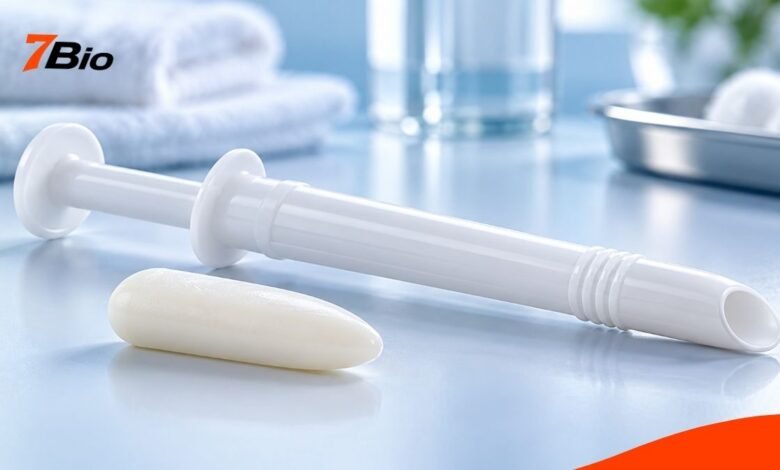
Dulcoglide is a name associated with a disposable medical applicator designed to help insert suppositories into the rectum. The device has been sold separately and has also appeared in packages of Dulcolax medicated laxative suppositories. Its purpose is to provide an alternative to inserting a suppository directly with a finger.
The distinction between the applicator and the medicine matters. The applicator does not itself treat constipation. When used with a bisacodyl suppository, it helps deliver the medication, while the active ingredient stimulates bowel activity.
For people unfamiliar with rectal medicines, understanding the equipment, proper handling, and safety precautions can make the process feel less intimidating.
What Is Dulcoglide?
DulcoGlide is a product name used for a specially designed rectal suppository applicator. UK pharmacy listings describe the device as comfort-shaped, individually wrapped, and single-use.
A suppository is a small, solid preparation containing medicine that is inserted into the rectum, where it can dissolve or melt. Some suppositories treat constipation, while others contain medicines for different conditions.
The applicator consists of a barrel designed to hold a suitable suppository and a plunger used to release it. Its design is intended to help with administration without requiring the user to push the medicine into place with a finger.
This is a medical administration accessory, not a separate laxative treatment. Its usefulness depends on the suppository’s compatibility, proper handling, and the individual’s circumstances.
How Does the Applicator Work?
The device works through a relatively straightforward mechanical process. A compatible, unwrapped suppository is placed in the applicator’s barrel. The device is then positioned according to its instructions, and the plunger releases the suppository into the rectum.
After the medication is delivered, remove and discard the applicator.
The applicator itself does not dissolve, release a medicinal ingredient, or stimulate the bowel. Those effects depend entirely on the suppository being used.
Some people may prefer an applicator because they find direct insertion uncomfortable or difficult. However, comfort is individual, and no applicator should be assumed to eliminate discomfort or injury risk.
Key Features of the Applicator
The documented product design includes several practical characteristics:
- Single-use construction: The applicator is intended to be discarded after use.
- Individual wrapping: Each device is packaged separately before use.
- Plunger mechanism: The mechanism releases a compatible suppository.
- Comfort-shaped design: Its shape is intended to assist rectal administration.
- Rectal application: The device is designed for rectal use, not oral or vaginal administration.
These features describe the equipment rather than providing evidence that it works better than every other insertion method.
Dulcoglide and Dulcolax: Understanding the Difference
DulcoGlide and Dulcolax are closely associated names, but they aren’t the same product.
Dulcolax is a well-known medicine brand that includes bisacodyl laxative preparations. Bisacodyl is a stimulant laxative that helps encourage bowel movement.
DulcoGlide refers to an applicator that has been offered alongside Dulcolax suppositories. Historical product information includes packs combining 10 mg bisacodyl suppositories with disposable applicators.
| Product or component | Main purpose | Contains laxative medicine? |
|---|---|---|
| DulcoGlide applicator | Helps administer a compatible rectal suppository | No |
| Dulcolax bisacodyl suppository | Treats occasional constipation | Yes |
| Dulcolax bisacodyl tablets | Oral treatment for constipation | Yes |
| Applicator and suppository combination pack | Provides the medicine and an administration device | The suppository does |
Understanding these differences helps avoid confusing the equipment with the treatment itself.
How to Use a DulcoGlide Applicator
Correct handling is essential because the applicator is inserted into a sensitive part of the body.
The following steps summarise instructions previously published for the disposable product. Always follow the leaflet supplied with the actual product, as packaging and instructions may differ.
Step 1: Confirm the Product Is Suitable
Check that the suppository is compatible with the applicator and is appropriate for the person using it. Read the medicine leaflet, including the recommended dose and warnings.
Do not assume that every suppository will fit or can safely be administered using the device.
Step 2: Prepare the Equipment
Wash your hands thoroughly with soap and water. Remove the applicator from its individual wrapper and unwrap the suppository.
Place the suppository into the open end of the applicator barrel as directed by the product instructions. Do not force it into position.
Step 3: Position Yourself
The published instructions describe lying on your side with your lower leg straight and your upper leg bent toward your chest.
This position may make administration more manageable. If you have difficulty positioning yourself, seek advice rather than attempting an uncomfortable movement.
Step 4: Insert and Release
Hold the applicator as directed in the leaflet and carefully follow the insertion instructions.
The plunger is used to release the suppository once the applicator is correctly positioned.
Never force the applicator. Stop if you experience pain, unusual resistance, or bleeding, and seek appropriate medical advice.
Step 5: Remove and Dispose
Carefully remove the device after the suppository has been released.
Dispose of the used applicator in household waste as directed by its instructions. Do not reuse it or flush it down the toilet. Wash your hands afterward.
How Quickly Do Bisacodyl Suppositories Work?
When the applicator is used with a bisacodyl laxative suppository, it is the medicine that produces the bowel movement.
According to NHS guidance, bisacodyl suppositories generally work within 10 to 45 minutes, whereas oral bisacodyl tablets usually take approximately 6 to 12 hours.
Other product information may describe a window of 15 to 60 minutes. These ranges reflect different published guidance, not a guaranteed response time.
The result depends on the medicine, dosage, and individual response. The use of an applicator has not been established here as a way to make the medicine work faster.
People using a laxative suppository should normally remain near a toilet because the effect can occur relatively quickly.
Benefits and Limitations
The main potential benefit of a disposable applicator is convenience during administration. It delivers a compatible suppository without direct finger insertion.
Individual packaging and single-use construction also support straightforward handling and disposal when the instructions are followed.
Yet there are limitations.
First, not every suppository is suitable for a particular applicator. Compatibility should be confirmed before use.
Second, the device does not replace medical advice about constipation or the medicine being administered.
Third, proper technique remains essential. A comfort-shaped design does not make forceful insertion safe.
Finally, an applicator isn’t essential for everyone who uses a suppository. Standard suppository instructions commonly describe direct insertion with a finger, and that method may be suitable when performed correctly.
Important Safety Precautions
The UK pharmacy information located for the applicator identifies it as unsuitable for children under 12 years. The age guidance for the applicator must be considered separately from the age guidance for the medicine.
For younger people, a doctor or pharmacist should determine whether a particular treatment and administration method are appropriate.
Bisacodyl suppositories are also unsuitable for some individuals. Speak with a healthcare professional before using them if you have severe abdominal pain, nausea or vomiting, suspected bowel obstruction, significant dehydration or certain inflammatory bowel conditions.
People with anal fissures, sores or other painful rectal conditions should obtain advice before using an insertion device.
Pregnant individuals should consult a healthcare professional before using bisacodyl. Although the NHS provides guidance on its possible use during breastfeeding, individual circumstances still matter.
Possible Side Effects
Bisacodyl may cause abdominal cramps, diarrhea, nausea, or rectal discomfort.
These effects come from the medicine, but incorrect use of an applicator can also cause local injury.
Seek medical advice if symptoms persist or are concerning. Rectal bleeding after use requires prompt assessment. Severe abdominal pain, substantial bleeding or signs of a serious allergic reaction require urgent medical attention.
Avoid Repeated Laxative Use
NHS guidance advises against using bisacodyl daily for more than five days without medical advice.
Frequent or prolonged laxative use can lead to problems such as diarrhea or disturbances in the body’s fluid and electrolyte balance.
If constipation continues or keeps returning, assessing the underlying cause is more useful than relying indefinitely on short-term treatment.
Is Dulcoglide Still Available in the UK?
Availability appears limited based on the UK pharmacy listings checked in October 2026.
Express Chemist lists a three-pack of applicators as no longer available, while other UK pharmacy pages show out-of-stock product listings.
These findings do not establish that the device has been discontinued everywhere. Pharmacy stock, distribution and product ranges may change, and an old listing is not proof of current supply.
A historical US trademark record also shows a cancellation in December 2021, but trademark status alone does not establish whether a physical product is being manufactured or sold.
Anyone looking for an applicator should ask a pharmacist whether a suitable device is available and whether it is compatible with their prescribed or over-the-counter suppository.
Alternatives for Managing Constipation
A suppository applicator is only one element of a much wider range of constipation treatments.
For many adults, initial management involves reviewing fluid intake, dietary fiber, physical activity, and regular toilet habits.
When additional treatment is needed, pharmacists may recommend different types of laxatives based on individual needs.
Bulk-forming products such as ispaghula husk and osmotic laxatives such as macrogol are commonly considered before stimulant laxatives in routine constipation management.
Suppositories may be useful in particular circumstances, especially when a faster-acting rectal treatment is appropriate. However, treatment choice should be based on the underlying problem, medical history and advice from a qualified professional.
Anyone experiencing persistent constipation, unexplained weight loss, blood in their stool or a significant change in bowel habits should arrange a medical assessment.
What to Consider Before Choosing an Applicator
The most useful first question is whether you actually need an applicator.
Someone who can administer a suppository comfortably using the standard instructions may not need additional equipment.
If an applicator is preferred, its compatibility, age restrictions, packaging integrity, and instructions deserve careful attention.
Check that the device is new, individually wrapped, and undamaged. Avoid products with unclear instructions or uncertain suitability.
If difficulty inserting suppositories is related to pain, limited mobility or an existing medical condition, speak to a pharmacist or healthcare professional for a more appropriate solution.
Final Takeaway
Dulcoglide is a disposable rectal suppository applicator supplied separately with certain Dulcolax laxative products. It assists administration, not the medicinal effect itself.
The key considerations are correct product identification, suppository compatibility, careful handling, and appropriate medical guidance.
Although the listings reviewed show limited UK availability, the device remains a useful example of how administration accessories can support the use of rectal medicines. Anyone considering it should confirm that the particular applicator and suppository are suitable for their needs.
FAQs
1. What is Dulcoglide used for?
Dulcoglide is a disposable rectal applicator designed to help insert compatible suppositories. It has been associated with Dulcolax bisacodyl suppositories used for occasional constipation.
2. Does Dulcoglide contain bisacodyl?
The applicator itself does not contain bisacodyl. The medicine may be supplied separately alongside the device or purchased separately.
3. Can children use a DulcoGlide applicator?
The UK product instructions state that the applicator is not suitable for children under 12 years. Children and teenagers should use rectal medicines only with appropriate medical or pharmaceutical guidance.
4. Can the applicator be washed and reused?
No. The documented applicator is single-use. It should be discarded after administration rather than washed, sterilized, or reused.
5. Has Dulcoglide been discontinued?
Some UK pharmacy listings identify the product as out of stock or no longer available. However, the available evidence does not conclusively establish worldwide discontinuation. A pharmacist can advise on current supply and suitable alternatives.